
KiwiNote's 7 Best Alternatives: The Best AI Study Tools
AI study tools are transforming how students approach learning in 2026. Platforms like KiwiNote.ai have made it easier than ever to turn lecture recordings, PDFs, and notes into structured summaries and AI-generated study aids.
With features like automated note-taking, smart highlighting, and content organization, KiwiNote.ai appeals to students who want to study faster and stay organized without manual note creation.
For many, KiwiNote.ai offers a simple way to capture information from class materials and turn it into summaries, outlines, or flashcards. Students can upload lectures, slides, or textbooks and receive AI-generated notes that highlight key concepts and main ideas. Its convenience and automation save time, especially for busy students balancing multiple classes.
However, as students’ needs evolve, some are looking for more comprehensive AI study tools. They want platforms that do more than summarize notes — tools that provide quizzes, active recall exercises, contextual AI tutoring, and long-term study support. This has led to growing interest in KiwiNote.ai alternatives.
The best alternatives in 2026 do not just condense content. They help students understand, retain, and apply what they learn. They turn PDFs, slides, lecture recordings, and videos into structured notes, automated quizzes, flashcards, and interactive AI support.
Some specialize in memorization. Others focus on homework help or exam prep. A few aim to provide a complete learning system.
In this guide, we break down the top KiwiNote.ai alternatives in 2026. Each option is evaluated for its ability to enhance understanding, retention, and exam performance.
If you are looking for a more robust AI study app than KiwiNote.ai, this list will help you choose the right platform.
1. Mindgrasp: The Best KiwiNote.ai Alternative Overall
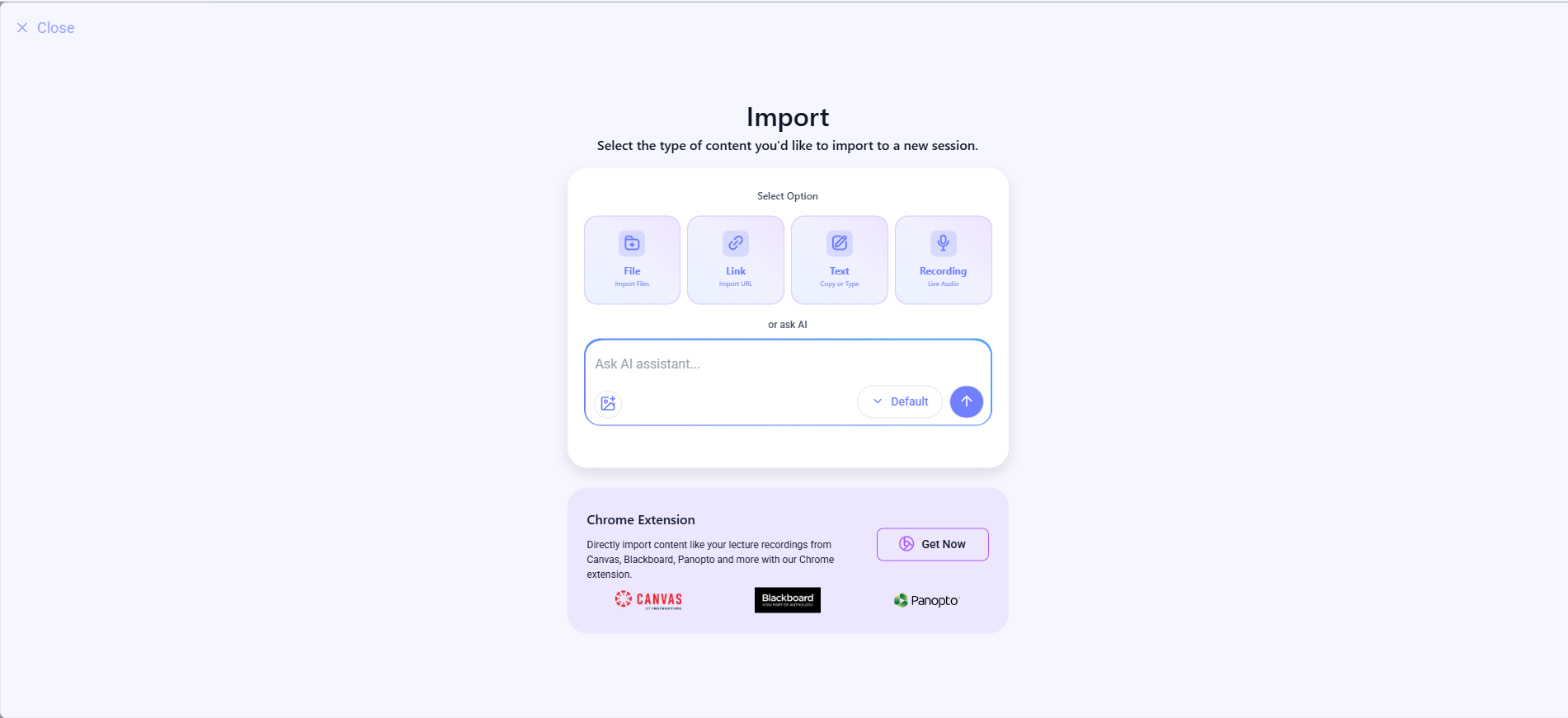
Mindgrasp is the most complete KiwiNote.ai alternative in 2026 because it goes beyond automated note-taking. While KiwiNote.ai focuses primarily on generating summaries and organizing notes, Mindgrasp transforms real course materials into a full AI-driven learning system.
Students can upload PDFs, PowerPoint slides, Word documents, textbooks, recorded lectures, and even YouTube videos. Mindgrasp analyzes this content and creates structured, exam-ready notes that follow the natural flow of the course. These notes are easy to review and designed to make connecting concepts across topics simple and intuitive.
Mindgrasp also generates quizzes and flashcards automatically from the uploaded content. Unlike generic practice questions, these are directly tied to the material, helping students reinforce important concepts and prepare effectively for midterms and finals.
A key feature that sets Mindgrasp apart from KiwiNote.ai and other alternatives is its context-aware AI tutor. Students can ask follow-up questions about any material they upload, and the AI will provide explanations grounded in their specific notes and lectures. This allows for deep understanding, not just surface-level summaries.
Mindgrasp also supports long-term study workflows, letting students revisit notes, retake quizzes, and review flashcards as exams approach. It is especially effective for cumulative exams, certification courses, and content-heavy classes where passive reading is not enough.
Best for: Students who want a complete AI study system that turns lectures, PDFs, and videos into structured notes, quizzes, flashcards, and context-aware AI tutoring.
2. Quizlet: Memorization Made Easy
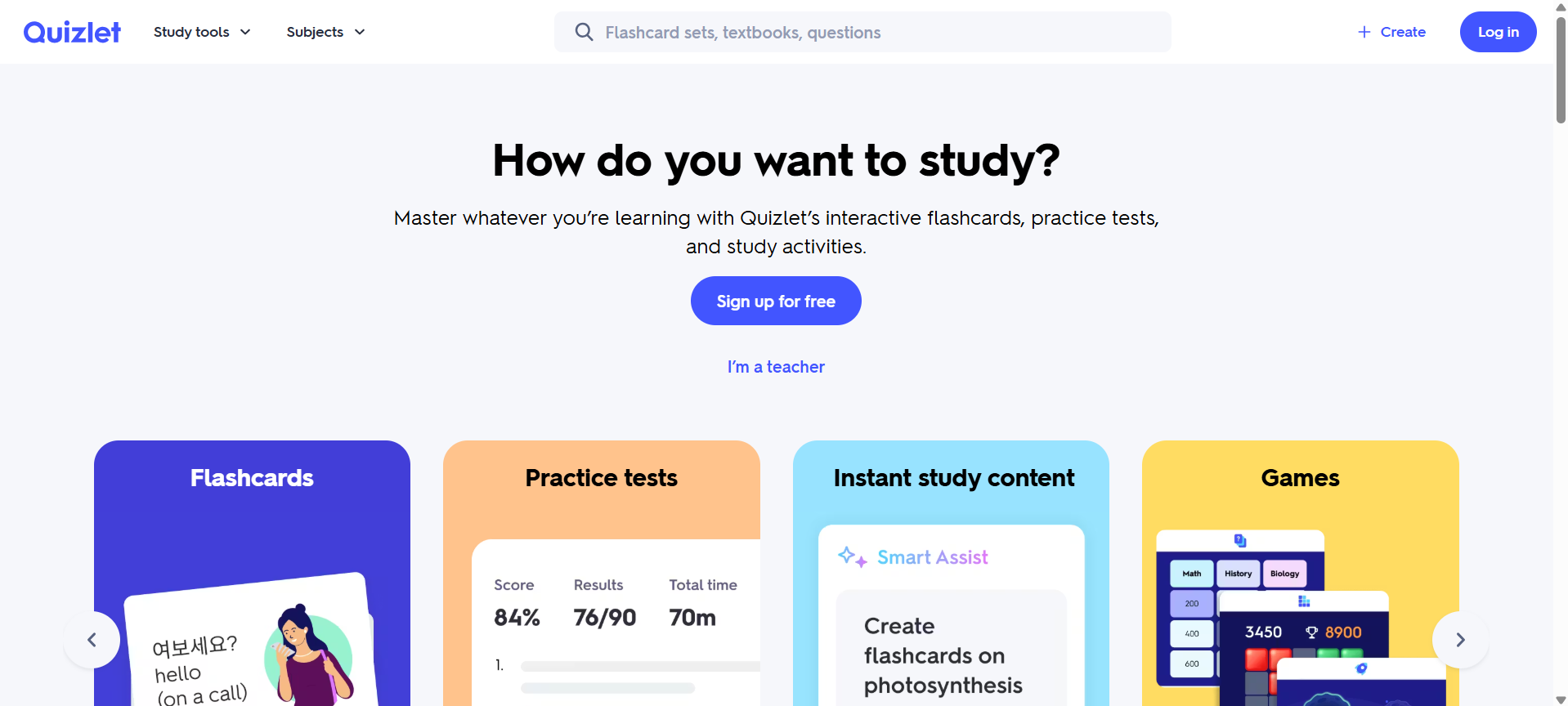
Quizlet remains a top choice for students who need active recall and memorization. Its flashcards, practice tests, and repetition features make it effective for learning definitions, formulas, key terms, and facts.
Compared to KiwiNote.ai, Quizlet is less focused on summarizing lectures or generating AI notes. It does not automatically structure large volumes of material or generate quizzes from uploaded content. However, it excels at drilling information repeatedly until it sticks, which makes it ideal for subjects like language, anatomy, law, and introductory sciences.
Many students use Quizlet alongside Mindgrasp or other KiwiNote.ai alternatives. Mindgrasp or KiwiNote.ai can handle note organization and summarization, while Quizlet strengthens retention through spaced repetition and practice.
Best for: Memorization, flashcards, and repeated recall practice.
3. Chegg: Step-by-Step Homework and Solutions
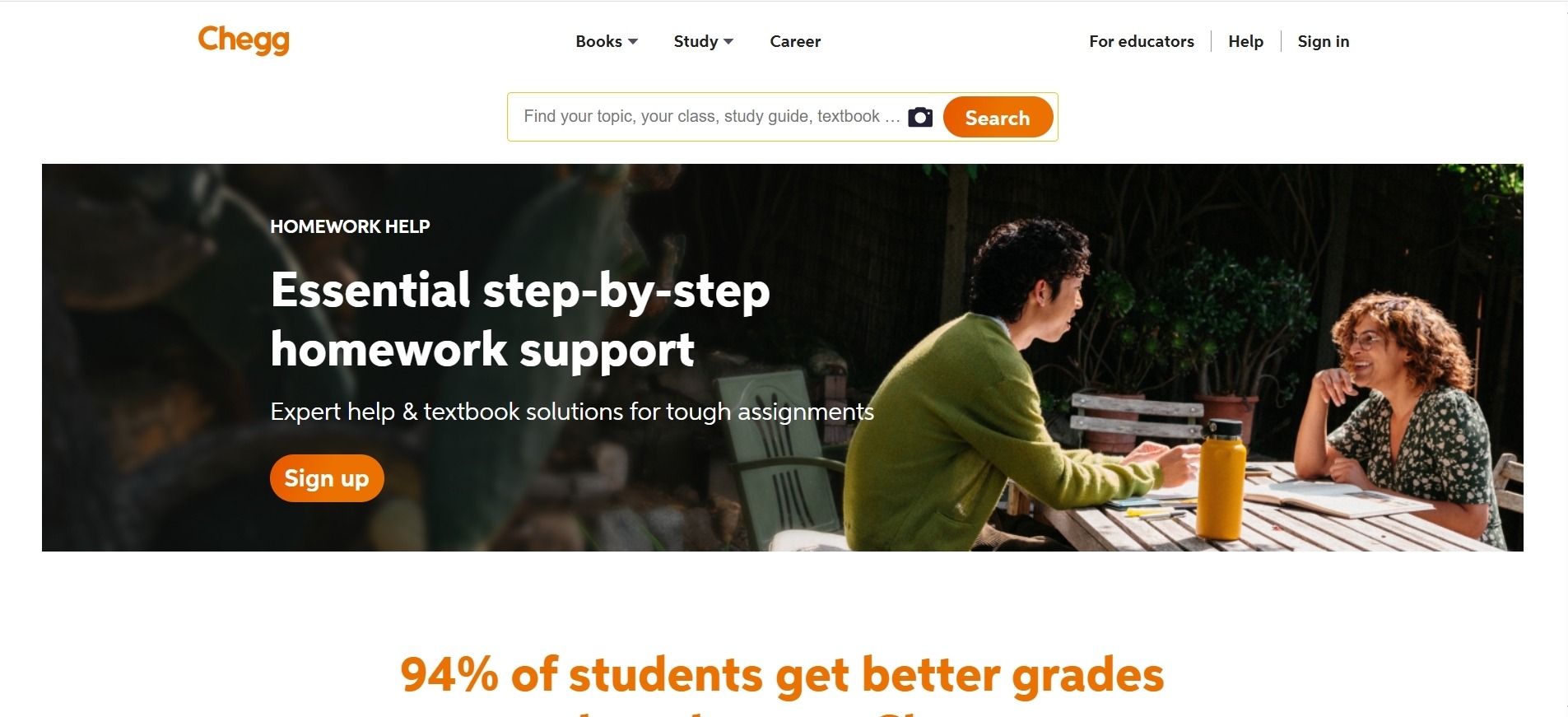
Chegg is a long-standing homework assistance tool that provides step-by-step solutions and textbook support. For students in math, physics, chemistry, or engineering, Chegg can be a valuable aid for understanding how problems are solved.
Unlike KiwiNote.ai, Chegg does not automatically organize your course notes or summarize lectures. Its focus is problem-solving rather than comprehensive learning workflows. Students often use it alongside other AI study tools to verify solutions and understand methodology.
Chegg works best when used strategically—for tackling difficult homework, understanding problem-solving approaches, or confirming answers before submitting assignments.
Best for: Step-by-step homework help and problem-solving guidance.
4. Socratic by Google: Quick Visual Homework Help
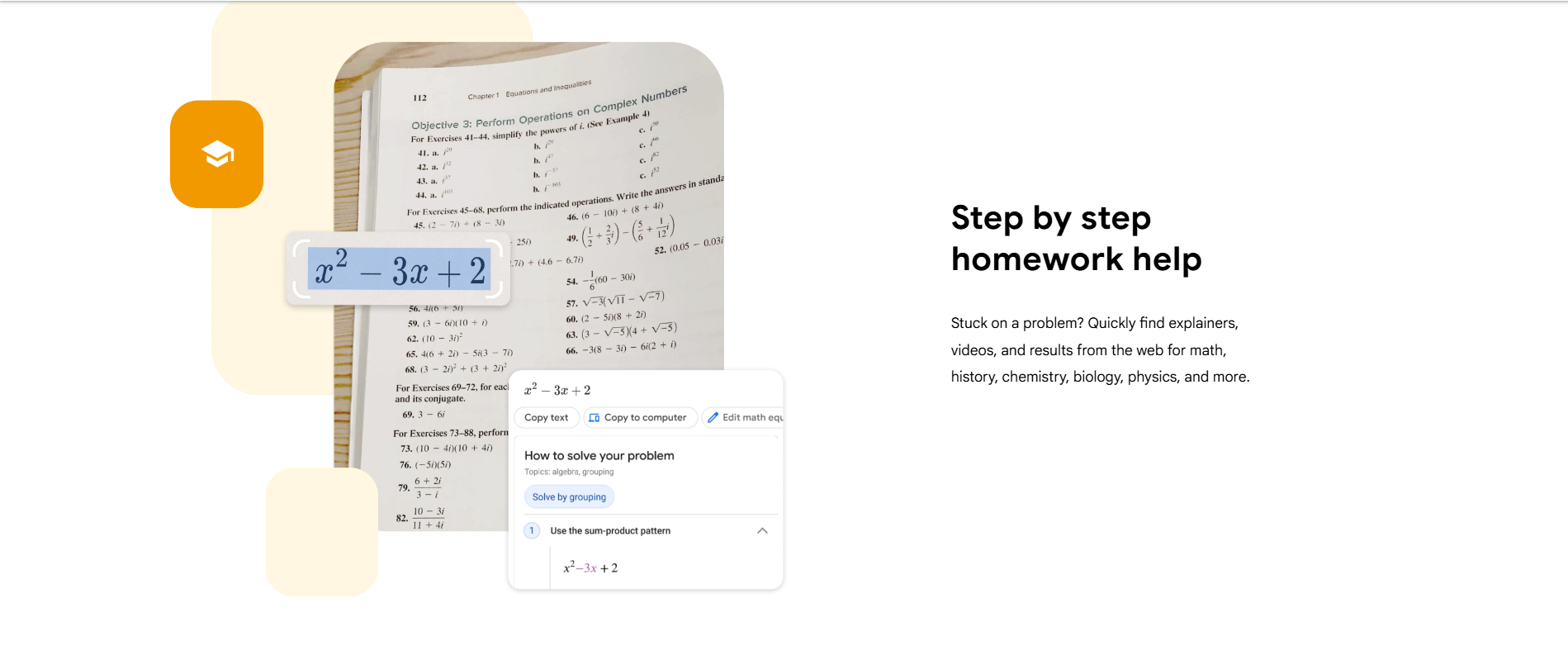
Socratic is designed for instant, visual explanations. Students can take a photo of a problem and receive immediate explanations, definitions, or step-by-step guidance. This makes it particularly useful for quick homework clarification in math and science courses.
Compared to KiwiNote.ai, Socratic does not save notes, generate flashcards, or organize content over the long term. It is a supportive tool for real-time understanding rather than structured study or exam preparation.
Best for: Quick visual explanations and on-the-spot problem-solving.
5. Khan Academy: Conceptual Learning from the Ground Up
Khan Academy provides structured lessons and practice problems to teach concepts thoroughly. Unlike KiwiNote.ai, which focuses on summarizing existing material, Khan Academy delivers step-by-step instruction designed to build foundational knowledge.
It is especially helpful for students who need to strengthen their understanding of core topics in math, science, or economics. Many students use Khan Academy with AI study tools like Mindgrasp. This helps them reinforce concepts and review notes better.
Best for: Building strong conceptual foundations and structured practice.
6. YouLearn and Other Conversational AI Study Apps
Some newer AI study apps, like YouLearn, offer chat-style interaction similar to KiwiNote.ai’s guided explanations. Students can upload notes and ask the AI questions for clarification or review.
These platforms are easy to use and flexible. However, they often do not have advanced content organization. They also lack automated quiz generation and support for long lecture materials. They can be helpful for light study or review sessions, but for exam-intensive courses, they may fall short.
Best for: Conversational AI study sessions with minimal setup.
7. When KiwiNote.ai Still Makes Sense
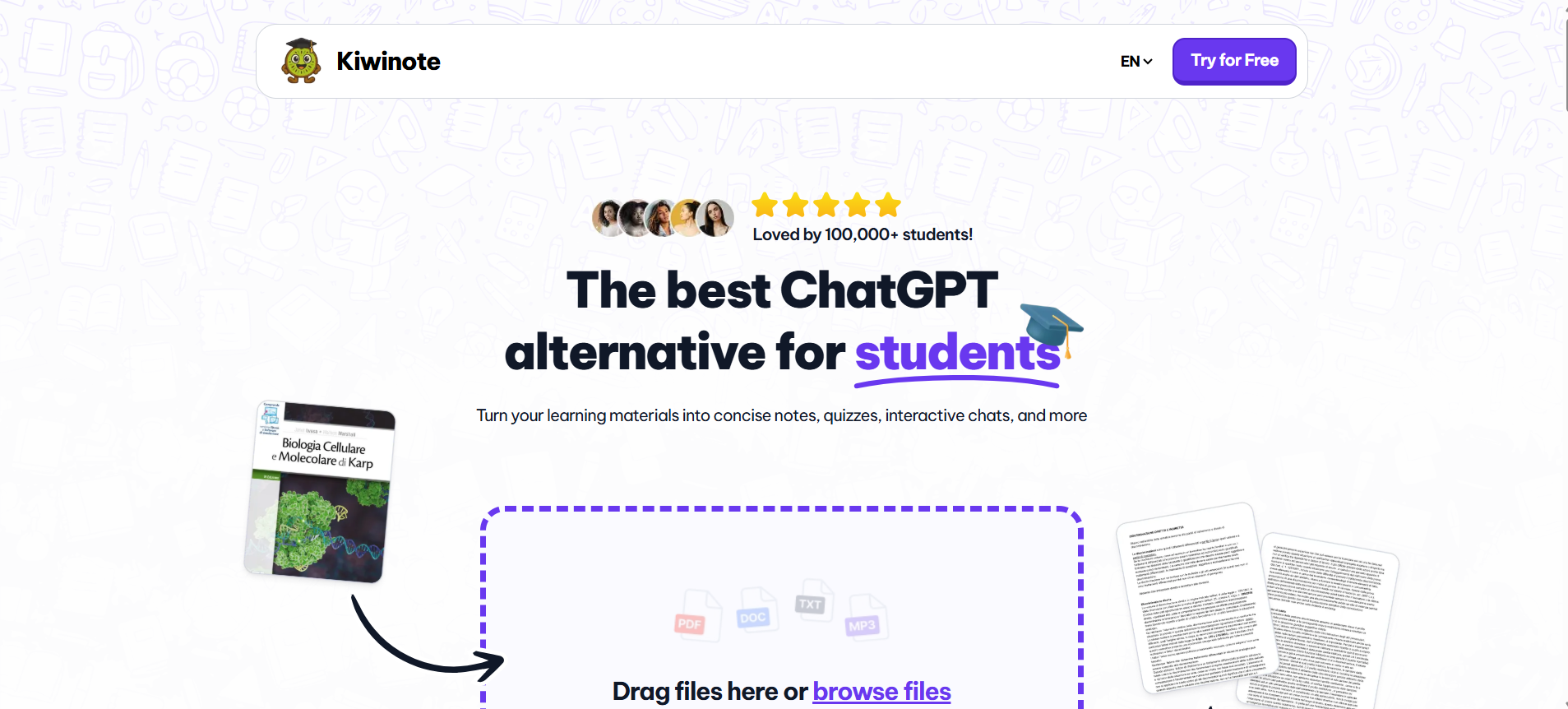
KiwiNote.ai is a strong option for students who want fast AI-generated summaries and note organization. Its automated note-taking, highlighting, and content summarization save time and help students stay organized.
However, students who rely exclusively on KiwiNote.ai may find it insufficient for long-term retention and exam prep, especially in content-heavy courses. Many students supplement KiwiNote.ai with AI study tools like Mindgrasp or Quizlet to enhance learning outcomes.
Best for: Quick automated note-taking and organizing course materials.
Final Takeaway
KiwiNote.ai is an effective AI notes app for summarizing lectures, highlighting key points, and organizing study materials. For students who need convenience and quick note generation, it can be very helpful. However, when comparing the best KiwiNote.ai alternatives in 2026, it becomes clear that combining multiple AI study tools—or switching to a more comprehensive platform—can significantly improve learning outcomes.
Mindgrasp leads the pack as the most complete KiwiNote.ai alternative. It not only generates structured, exam-ready notes from PDFs, slides, lectures, and videos, but also creates quizzes and flashcards, and offers a context-aware AI tutor for follow-up questions. This makes it ideal for deep understanding, long-term retention, and cumulative exam prep.
Quizlet complements KiwiNote.ai for memorization and active recall, making it a great choice for vocabulary, definitions, and formulas.
Chegg helps students who need step-by-step solutions for homework and problem-solving.
Socratic by Google is perfect for instant visual explanations during real-time homework.
Khan Academy reinforces foundational understanding
YouLearn and similar conversational AI apps provide lightweight, interactive study sessions.
In summary, the best KiwiNote.ai alternative depends on your goals:
- Mindgrasp for comprehensive study systems
- Quizlet for memorization and recall
- Chegg for problem-solving guidance
- Socratic for on-the-spot explanations
- Khan Academy for conceptual foundations
- YouLearn for conversational review
By combining or choosing the right alternative, students can move beyond note summarization and build a full AI-powered learning workflow that supports understanding, retention, and exam success.