Best Quizard Alternatives in 2026: Top AI Study Tools
By Mindgrasp|Mindgrasp blog|January 5, 2026
AI-powered study tools have become a core part of how students learn, revise, and prepare for exams. Instead of manually creating flashcards, rewriting notes, or searching endlessly for explanations, students can now rely on AI to accelerate and structure the learning process. From quiz generators to full study assistants, these tools promise faster studying and better results.
Quizard is one of the platforms that helped popularize AI-generated quizzes and practice questions. For many students, it offers a straightforward way to test knowledge without much setup. Upload content, generate questions, and start practicing—simple and efficient.
However, as students begin using AI tools more seriously, expectations change. What initially feels helpful can start to feel limited. Many learners realize that quizzes alone are not enough. They want clearer explanations, better organization of material, and tools that help them actually understand what they are studying rather than just recognize correct answers.
This is where the search for Quizard alternatives begins.
Some students want a more complete study workflow. Others want deeper explanations, smarter flashcards, or tools that work across multiple formats like PDFs, slides, and videos. And many are looking for platforms that support long-term retention instead of surface-level recall.
In this guide, we take an in-depth look at the best alternatives to Quizard available today. These tools were evaluated based on learning depth, usability, flexibility, and overall effectiveness. Rather than focusing only on features, this comparison looks at how each platform actually supports the learning process.
1. Mindgrasp — The Most Complete Alternative to Quizard
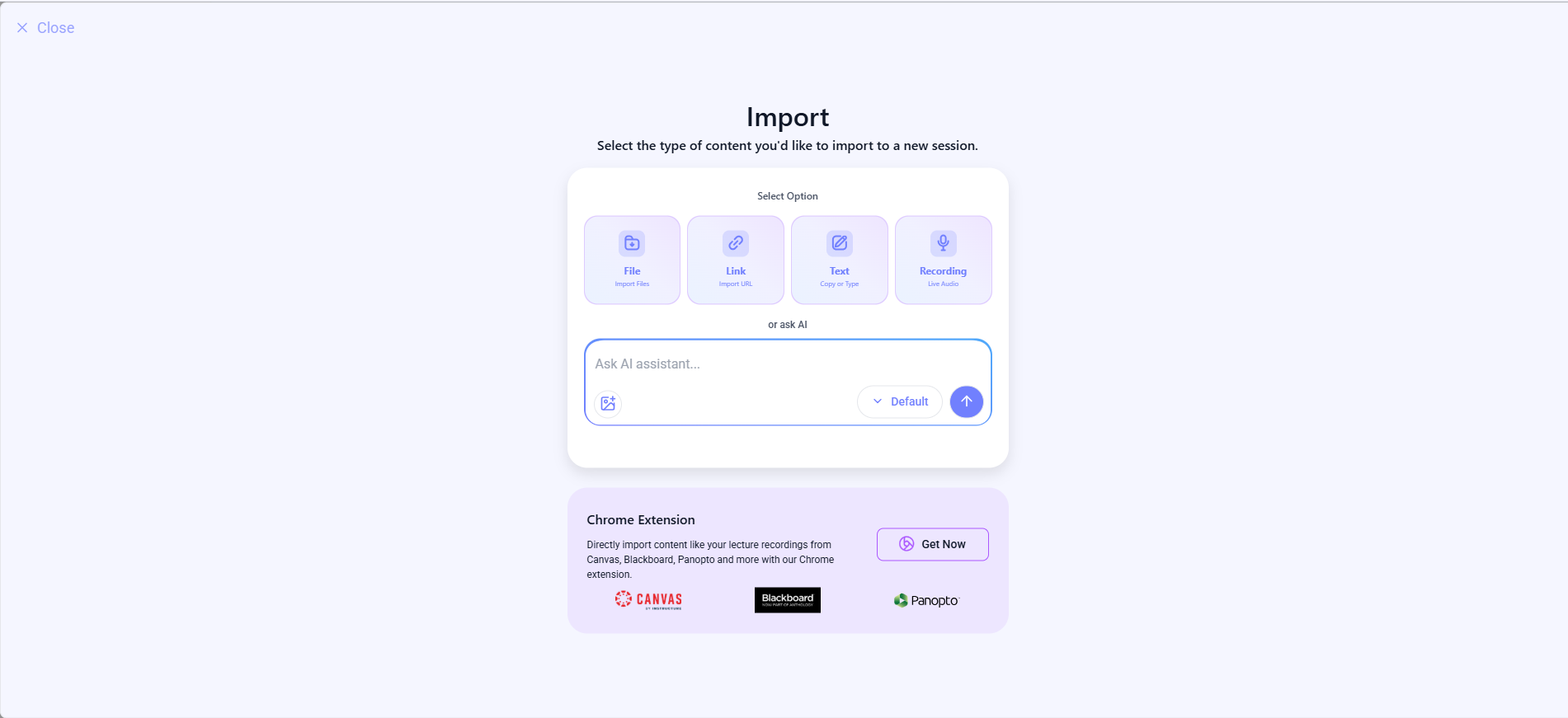
Mindgrasp stands out as the strongest overall alternative to Quizard because it approaches studying as a system, not a single function. While Quizard primarily focuses on generating quizzes, Mindgrasp is built to support every stage of learning—from initial comprehension to long-term review.
One of Mindgrasp’s most important strengths is how it handles source material. Students can upload PDFs, PowerPoint slides, lecture notes, research papers, and even videos. Instead of extracting isolated questions, Mindgrasp organizes the content into structured summaries that resemble well-written study notes. Concepts are grouped logically, key ideas are emphasized, and complex information is broken down into digestible sections.
This foundation changes everything that comes next. Because Mindgrasp understands the material at a deeper level, the flashcards and quizzes it generates are more accurate, more relevant, and better aligned with what students actually need to study. Rather than testing random facts, the questions reinforce understanding of core concepts.
Another major difference compared to Quizard is Mindgrasp’s AI tutor. Students aren’t limited to pre-generated questions. They can ask follow-up questions, request clarification, or explore a topic further, all within the context of their uploaded materials. This creates an interactive learning experience that feels closer to working with a tutor than using a quiz generator.
Mindgrasp also works well for students managing large volumes of material. Instead of juggling multiple tools for notes, flashcards, and quizzes, everything lives in one place. This reduces friction and makes consistent studying easier over time.
Why Mindgrasp outperforms Quizard
- Turns PDFs, slides, notes, and videos into organized, review-ready summaries
- Generates high-quality flashcards and quizzes directly from the source content
- Includes an AI tutor for deeper explanations and contextual learning
- Supports long-term retention, not just short-term practice
Best for:
Students who want a complete, scalable study system—especially those preparing for exams, certifications, or content-heavy courses.
2. Quizlet — A Flashcard-Focused Quizard Alternative
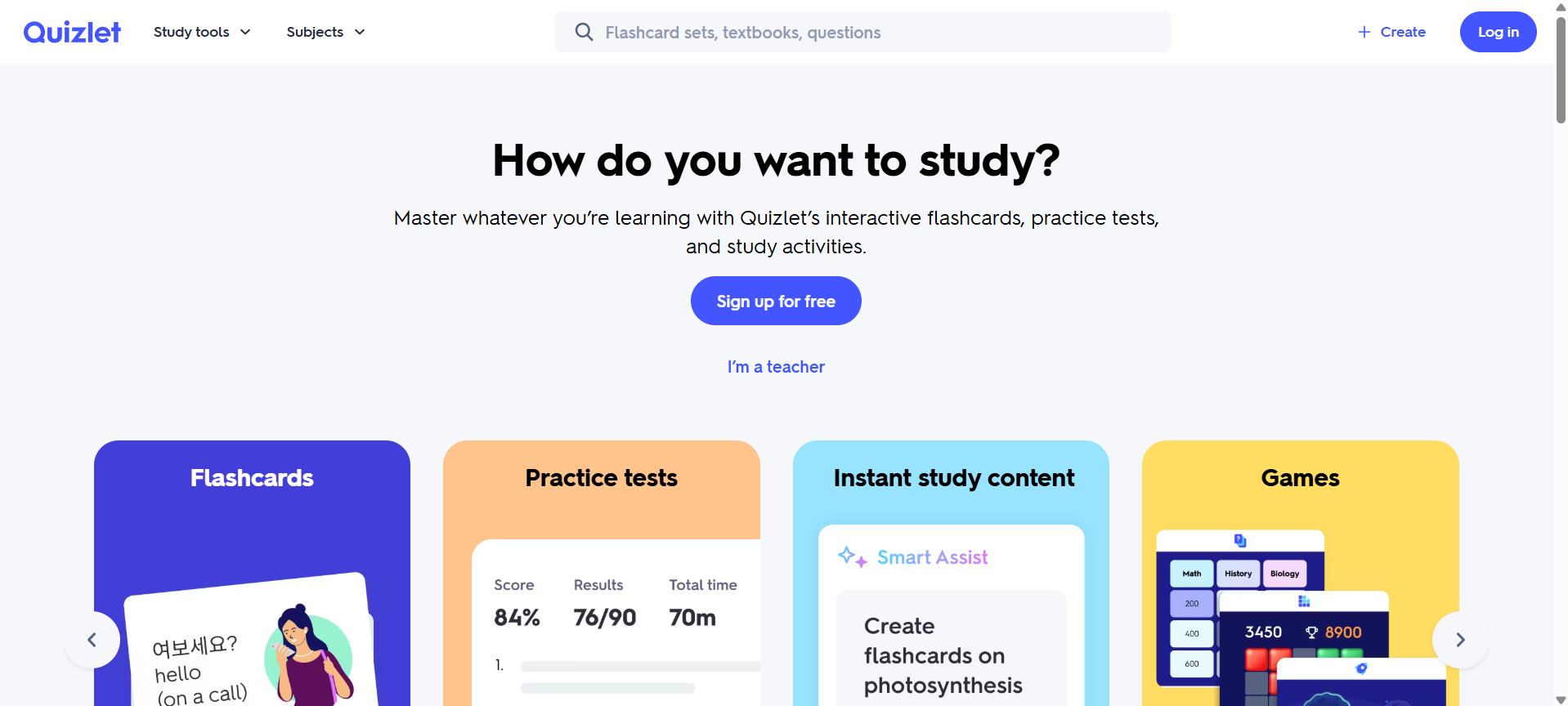
Quizlet is one of the most recognizable names in digital studying, and its popularity makes it a common alternative for students moving away from Quizard. The platform is built around flashcards and repetition, which can be extremely effective for certain types of learning.
With the introduction of AI-powered features, Quizlet can now generate practice tests and study guides from uploaded notes. This makes it easier for students to get started quickly without manually creating every card. Its learning modes reinforce information through repeated exposure, which is especially useful for vocabulary, definitions, and introductory material.
That said, Quizlet’s focus remains firmly on memorization. While it excels at drilling information, it offers limited support for explanation and synthesis. Students often know what the answer is but not why it’s correct. For more advanced or conceptual subjects, this can become a limitation.
Quizlet also relies heavily on user-generated content. While this provides access to a massive library of study sets, quality can vary significantly. Students may need to review or adjust sets to ensure accuracy.
Why Quizlet remains popular
- Excellent flashcard and testing experience
- AI-generated practice materials
- Large shared content library
Best for:
Students who prefer repetition-based learning and are studying memorization-heavy subjects.
3. TurboLearn AI — Built for Concept Reinforcement
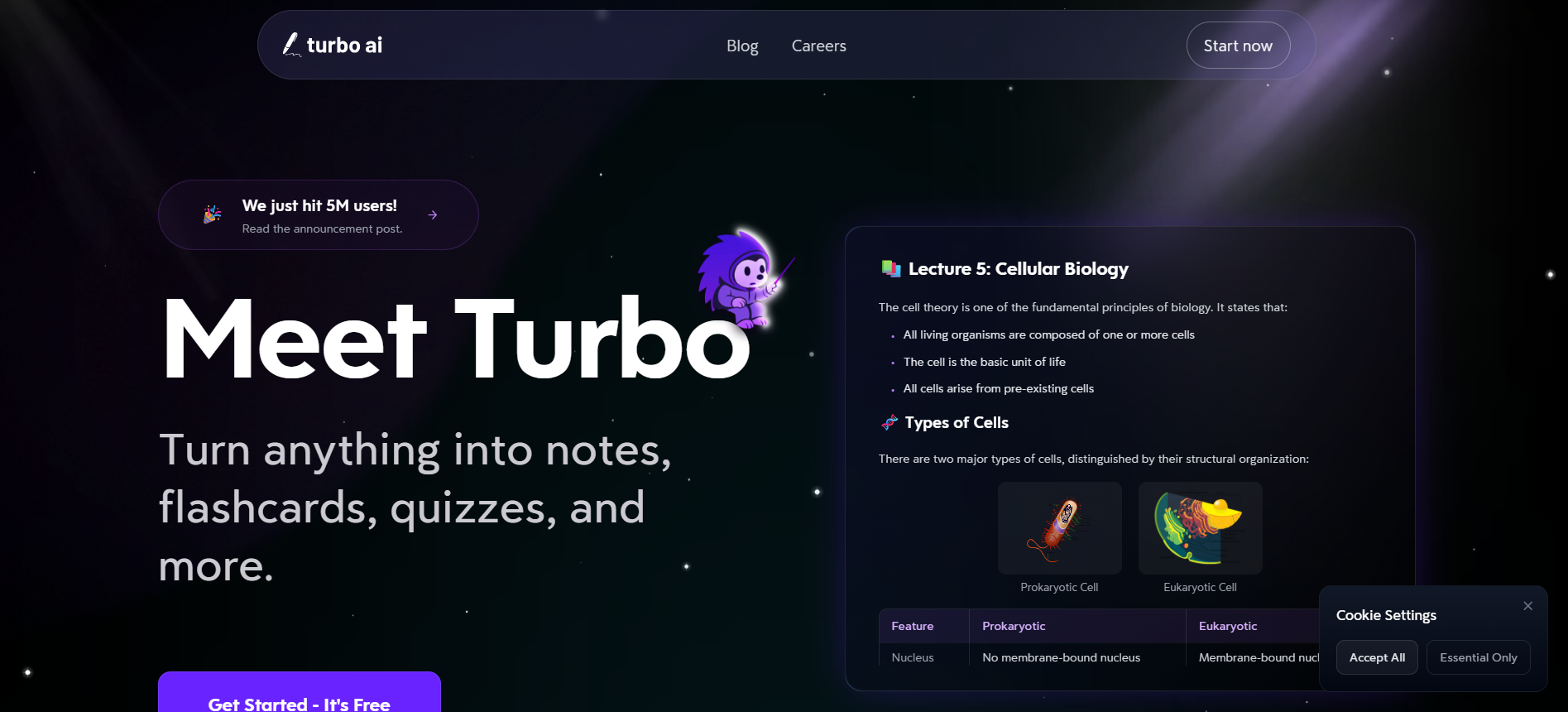
TurboLearn AI differentiates itself by focusing on how students learn, not just how quickly they can generate questions. While it includes quizzes and flashcards, its real strength lies in helping students master underlying concepts.
The platform uses adaptive quizzes to identify weak areas and then provides explanations designed to address gaps in understanding. Rather than moving on immediately after an incorrect answer, TurboLearn encourages students to slow down and engage with the reasoning behind each solution.
Compared to Quizard, TurboLearn feels more instructional. It prioritizes clarity and comprehension over volume. This makes it especially valuable for subjects where understanding the process matters—such as math, science, and technical fields.
However, TurboLearn does not emphasize document organization or comprehensive note creation. It works best when paired with existing materials rather than serving as a central study hub.
What makes TurboLearn different
- Step-by-step explanations
- Adaptive learning based on performance
- Strong focus on understanding concepts
Best for:
Students who want guided practice and deeper comprehension rather than rapid quiz generation.
4. AI Blaze — A Free and Flexible Quizard Alternative
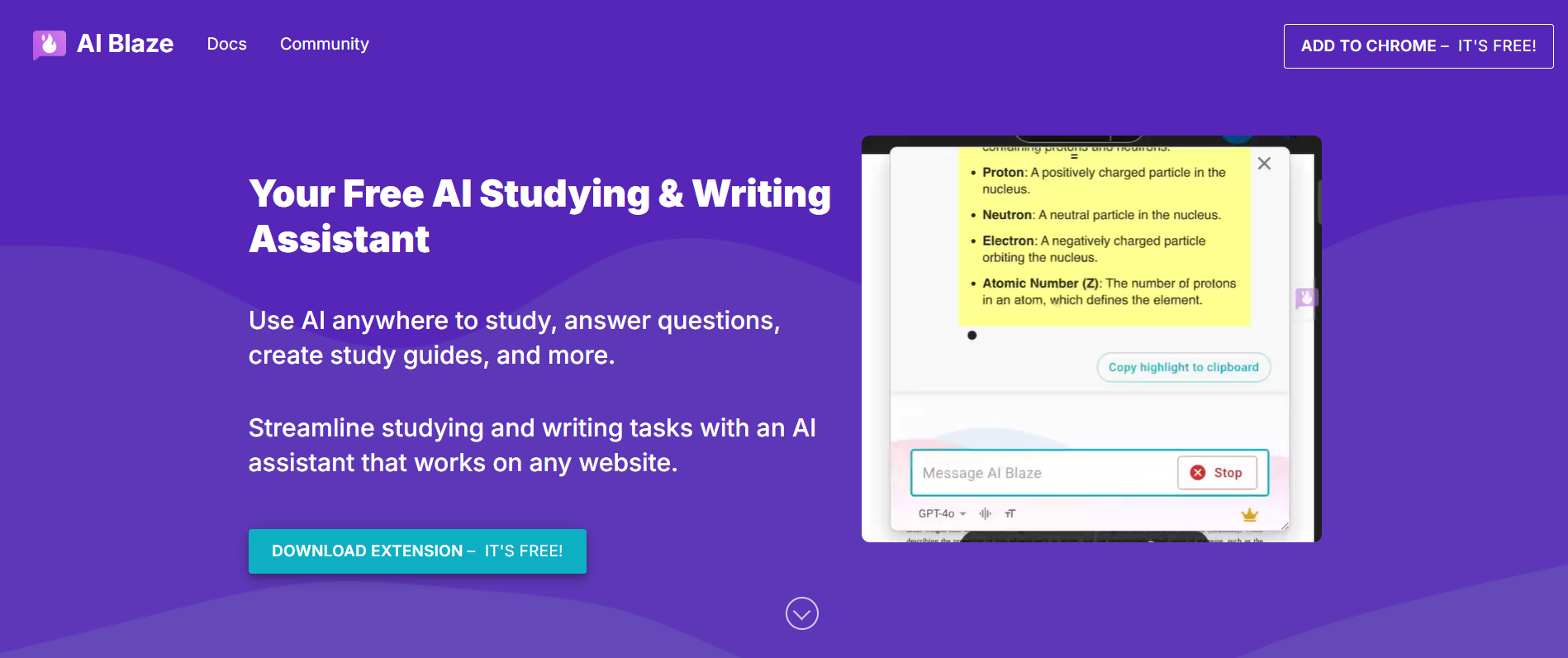
AI Blaze appeals to students who want AI-powered help without committing to a subscription. Instead of relying on uploads, it works directly in the browser, allowing users to highlight text or questions and receive instant explanations.
This makes AI Blaze particularly useful for homework help and quick clarification while studying online. Students can use it alongside digital textbooks, assignments, or research articles without switching platforms.
The tradeoff is structure. AI Blaze doesn’t provide tools for organizing notes, tracking progress, or building long-term study plans. As a result, it’s better suited as a supplementary tool rather than a primary study system.
Why students choose AI Blaze
- Free and easy to access
- Works across websites
- Fast explanations with minimal setup
Best for:
Students who need quick help and flexibility rather than a structured study workflow.
5. YouLearn AI — Conversational Learning Over Structure
YouLearn AI takes a conversational approach to studying. Instead of dashboards and study modes, it centers the experience around dialogue with an AI tutor. Students can ask questions, follow up, and explore topics naturally.
This format feels intuitive and lowers the barrier to entry for many learners. It’s especially helpful for brainstorming, clarification, and quick problem-solving. YouLearn also supports image input, making it useful for homework questions.
However, the lack of structure can be a drawback for exam preparation. There are fewer tools for systematic review, making it harder to revisit material consistently.
Key strengths
- Natural, chat-based interface
- Flexible and easy to use
- Supports text and image questions
Best for:
Students who prefer conversational learning and on-demand explanations.
Final Thoughts
Quizard has earned its place as a useful AI powered study tool, particularly for students who want a quick way to generate quizzes and test their knowledge. For light review sessions or fast practice, it can be effective. However, as students progress into more demanding coursework or begin preparing for high stakes exams, many discover that quiz generation alone is not enough to support meaningful learning.
Studying effectively requires more than recognizing the correct answer on a multiple choice question. It involves understanding concepts, organizing information, identifying gaps in knowledge, and revisiting material over time. This is where many students begin to feel constrained by tools that focus narrowly on practice questions without addressing the broader learning process.
The rise of AI study platforms has given students more choice than ever before. Today’s alternatives to Quizard reflect a shift toward deeper, more intentional learning. Some tools emphasize memorization and repetition, others prioritize conceptual understanding, and a few aim to support the entire study workflow from start to finish. Choosing the right tool depends not only on features, but on how well it aligns with a student’s learning style, subject matter, and long term goals.
For students who want a complete study system that helps them understand material, organize notes, practice effectively, and retain information over time, Mindgrasp clearly stands apart. Its ability to turn raw content into structured summaries, generate meaningful flashcards and quizzes, and support follow up learning through an AI tutor makes it well suited for serious academic work. Rather than acting as a single purpose tool, it functions as a central study hub that scales with more complex material.
Other Quizard alternatives serve valuable roles as well. Platforms like Quizlet excel at repetition based learning, while tools such as TurboLearn AI emphasize concept mastery and guided practice. Free options like AI Blaze provide accessible homework help, and conversational tools like YouLearn AI lower the barrier to asking questions and exploring topics informally. Each of these tools can be effective in the right context.
Ultimately, the best Quizard alternative is the one that supports how you actually learn. Some students benefit from structured systems and organized notes. Others thrive with conversation, repetition, or visual explanations. The key is recognizing that AI should not just make studying faster. It should make it more effective.
As AI continues to shape the future of education, students who choose tools that prioritize understanding, retention, and organization will be better positioned for long term success. Quizzes can be helpful, but true learning happens when tools encourage clarity, curiosity, and consistency.
Choosing the right study platform is an investment in how you learn. With the options available today, students no longer have to settle for surface level practice. They can choose tools that genuinely support deeper learning and better outcomes.