
7 StudyBlaze Alternatives In 2026 You Should Look Into
AI study tools have quickly moved from novelty to necessity. As classes become more content-heavy and students juggle multiple responsibilities, many are turning to AI-powered study apps to help them keep up. StudyBlaze is one of the platforms that has gained attention by offering AI-assisted study sessions, interactive explanations, and guided practice designed to make learning feel more approachable.
For students who prefer conversational learning, StudyBlaze can be useful. Its chat-based interface allows users to ask questions, review topics, and generate practice content without much setup. This has made it appealing to students who want help understanding material without building full study systems on their own.
Still, as AI study tools have matured, expectations have changed.
Students are no longer just looking for explanations on demand. They want AI learning platforms that can handle real course materials, organize information clearly, and support long-term retention. They want tools that help them prepare for exams, not just get through a single study session. As a result, more students are actively searching for StudyBlaze alternatives that offer deeper structure and stronger learning workflows.
The best AI study tools in 2026 go beyond conversation. They transform PDFs, PowerPoint slides, lecture recordings, textbooks, and videos into usable study assets such as structured notes, quizzes, flashcards, and contextual explanations. Some tools lean toward memorization. Others focus on homework help or concept mastery. A smaller group aims to support the full learning process from start to finish.
In this guide, we compare the best StudyBlaze alternatives in 2026 and explain how each AI study app fits different learning needs. If you are deciding whether StudyBlaze is enough for your coursework or if a more advanced AI study tool would serve you better, this breakdown will help.
1. Mindgrasp: The Best StudyBlaze Alternative Overall
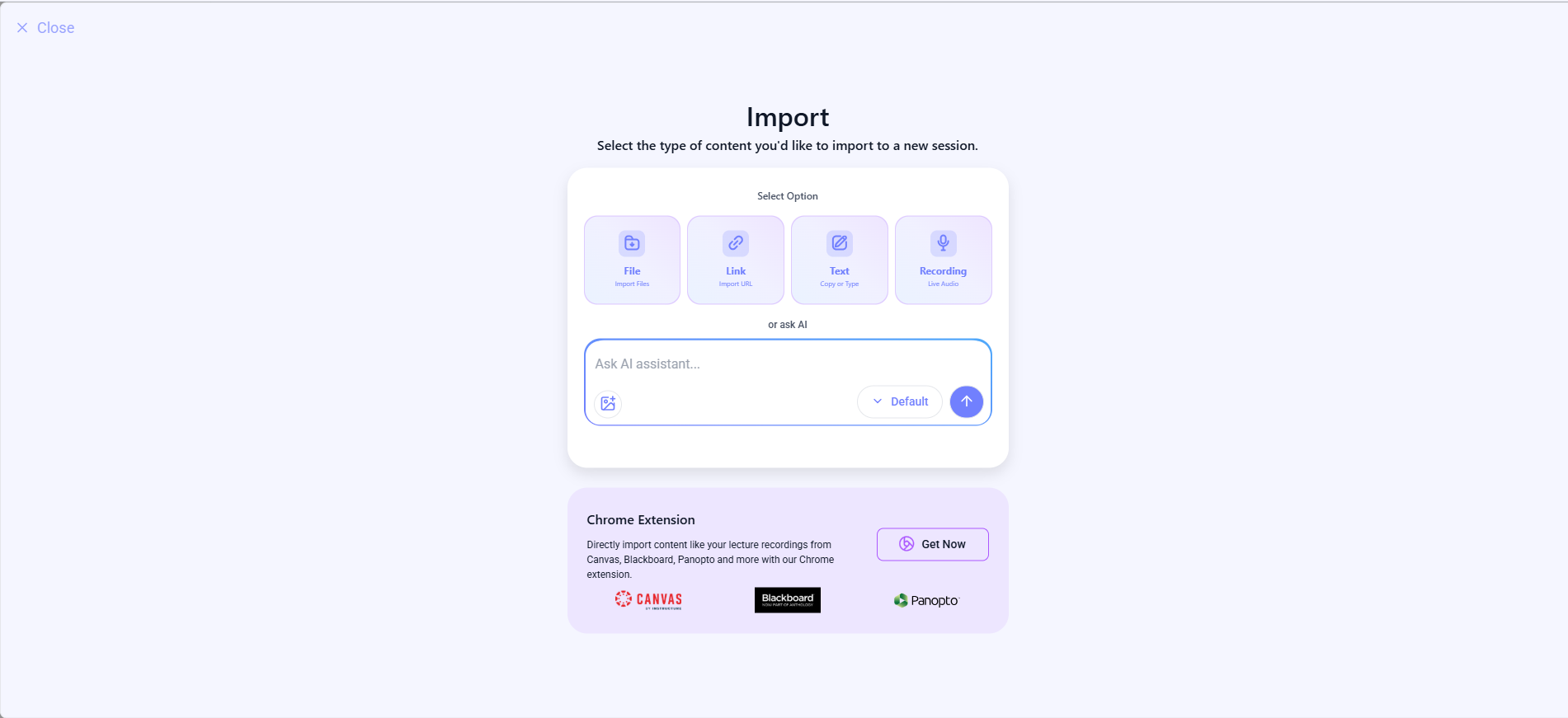
Mindgrasp stands out as the strongest StudyBlaze alternative in 2026 because it is designed as a complete AI learning platform rather than a chat-first study tool. While StudyBlaze centers on guided conversations and interactive explanations, Mindgrasp is built to manage the entire study lifecycle.
With Mindgrasp, students can upload a wide range of materials, including PDFs, PowerPoint slides, Word documents, textbooks, recorded lectures, meeting recordings, and YouTube videos. Once uploaded, Mindgrasp analyzes the content and converts it into structured, organized notes that reflect the way the material is actually taught. This structure makes it easier to review weeks later and see how concepts connect across lectures.
What sets Mindgrasp apart from many StudyBlaze alternatives is how it turns passive content into active study tools. From the same uploaded materials, Mindgrasp automatically generates quizzes and flashcards that target key concepts. These are not generic practice questions. They are created directly from the course content, which makes them especially effective for quizzes, midterms, and finals.
Mindgrasp also includes a context-aware AI tutor that understands the student’s uploaded materials. Instead of giving broad or generic explanations, the AI responds based on the notes, lectures, and readings within the account. Students can ask follow-up questions, request clarification, or explore topics in more depth while staying aligned with their syllabus.
Another important difference is how Mindgrasp supports long-term studying. Notes, quizzes, and flashcards remain available for ongoing review, allowing students to revisit material as exams approach. This makes Mindgrasp well suited for cumulative finals, certification exams, and courses where information builds over time.
StudyBlaze can be helpful for guided explanations. Mindgrasp goes further by giving students a structured system they can rely on throughout the semester. For students who want an AI study tool that prioritizes retention, organization, and exam readiness, Mindgrasp is the most complete StudyBlaze alternative available.
Best for: Students who want a full AI study system that turns lectures, PDFs, and videos into structured notes, quizzes, flashcards, and contextual AI tutoring.
2. Quizlet: A Familiar Tool for Memorization
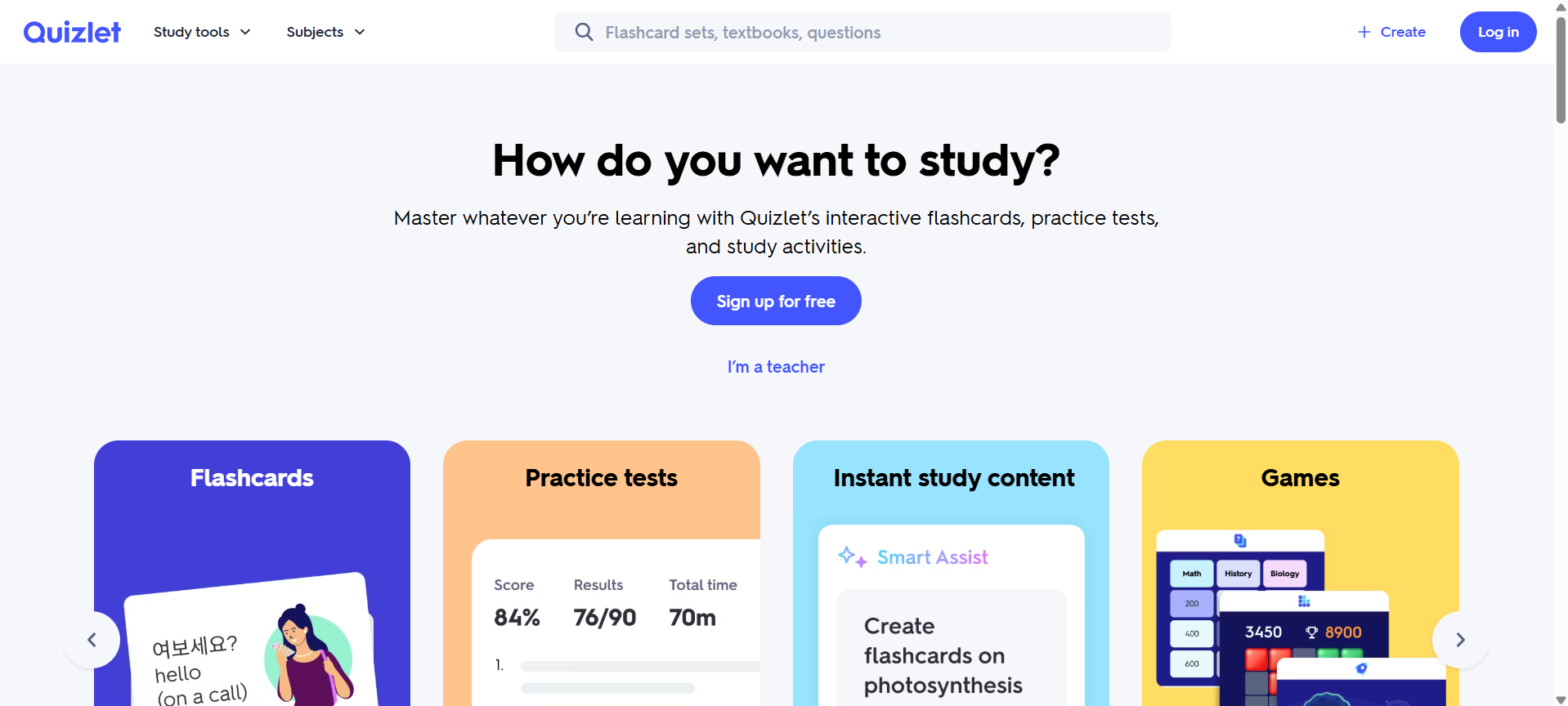
Quizlet continues to be one of the most widely recognized AI study tools for memorization. Its flashcards, practice modes, and repetition-based learning features make it effective for courses that rely heavily on recall, such as language learning, anatomy, law, and introductory science classes.
Compared to StudyBlaze, Quizlet is far less interactive. It does not focus on explanations or conversational learning. Instead, it excels at drilling information repeatedly until it sticks. Quizlet also does not automatically generate structured notes from lectures or PDFs without manual input, which limits its usefulness as a standalone AI study app.
Because of this, Quizlet is often used alongside other StudyBlaze alternatives. Students may rely on a platform like Mindgrasp to understand concepts and organize material, then use Quizlet to reinforce key terms before exams.
Best for: Memorization, vocabulary study, and spaced repetition.
3. Chegg: Targeted Homework Assistance
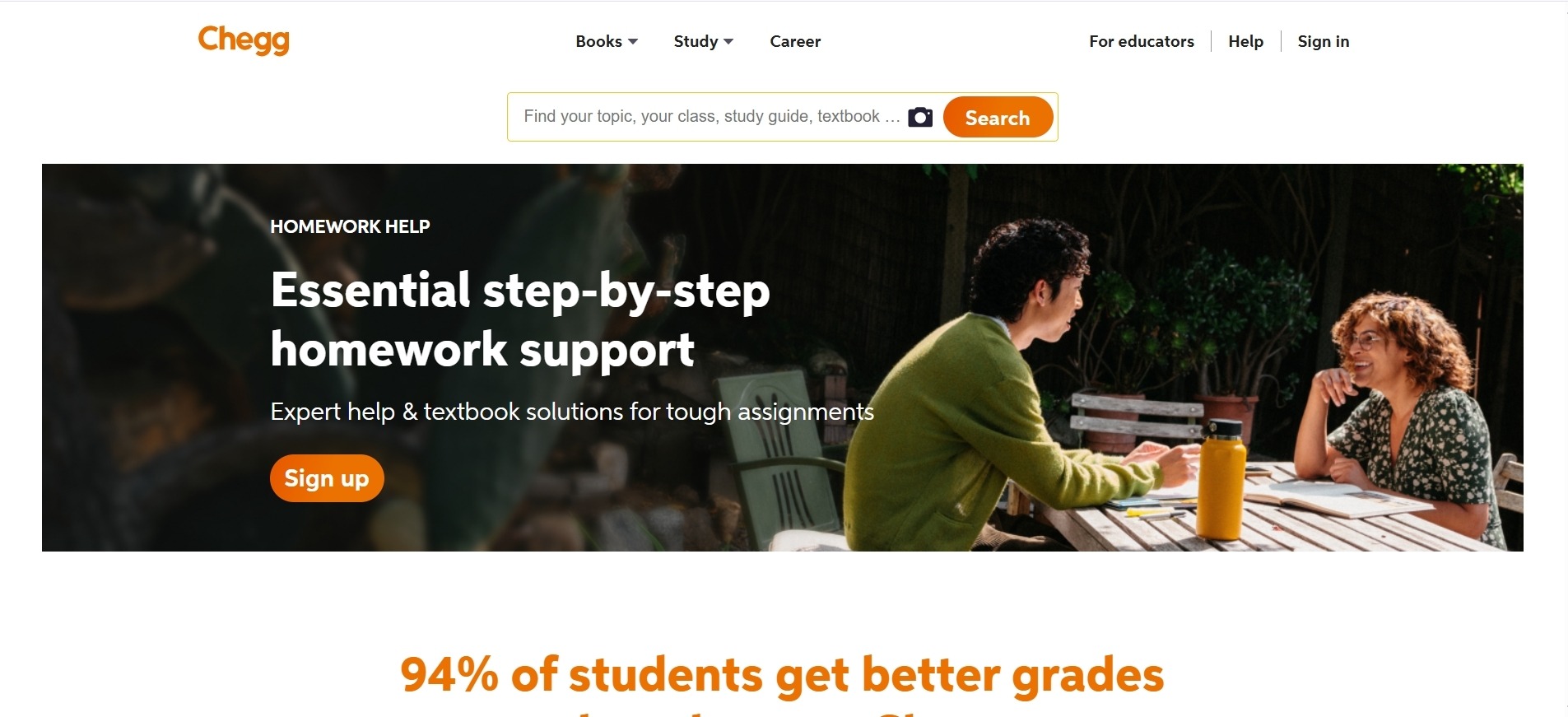
Chegg has long been associated with online homework help, and it continues to serve that role in 2026. Its step-by-step solutions and textbook-based explanations are useful for students who want to see how specific problems are solved.
While Chegg is not positioned as an AI learning platform like StudyBlaze, it often appears in discussions about StudyBlaze alternatives because of its problem-solving focus. Chegg is especially common in math, physics, chemistry, and engineering courses where understanding the method matters as much as the answer.
That said, Chegg does not organize course content, generate study plans, or support long-term retention. Students who rely on Chegg typically still need another AI study tool to prepare for exams and review material systematically.
Best for: Checking homework and learning problem-solving steps.
4. Socratic by Google: Instant Visual Help
Socratic is designed for quick, visual explanations. By taking a photo of a problem, students can receive explanations, definitions, and related concepts almost immediately. This makes it appealing for quick clarification, particularly in math and science subjects.
Compared to StudyBlaze, Socratic is far more limited in scope. It does not save materials, create flashcards, or support ongoing study workflows. The explanations are also not tailored to a specific course or professor.
Socratic works best as a supporting tool rather than a primary AI study app. It can help resolve confusion in the moment but does not replace structured studying.
Best for: Fast visual explanations and quick homework clarification.
5. Khan Academy: Structured Learning from the Ground Up
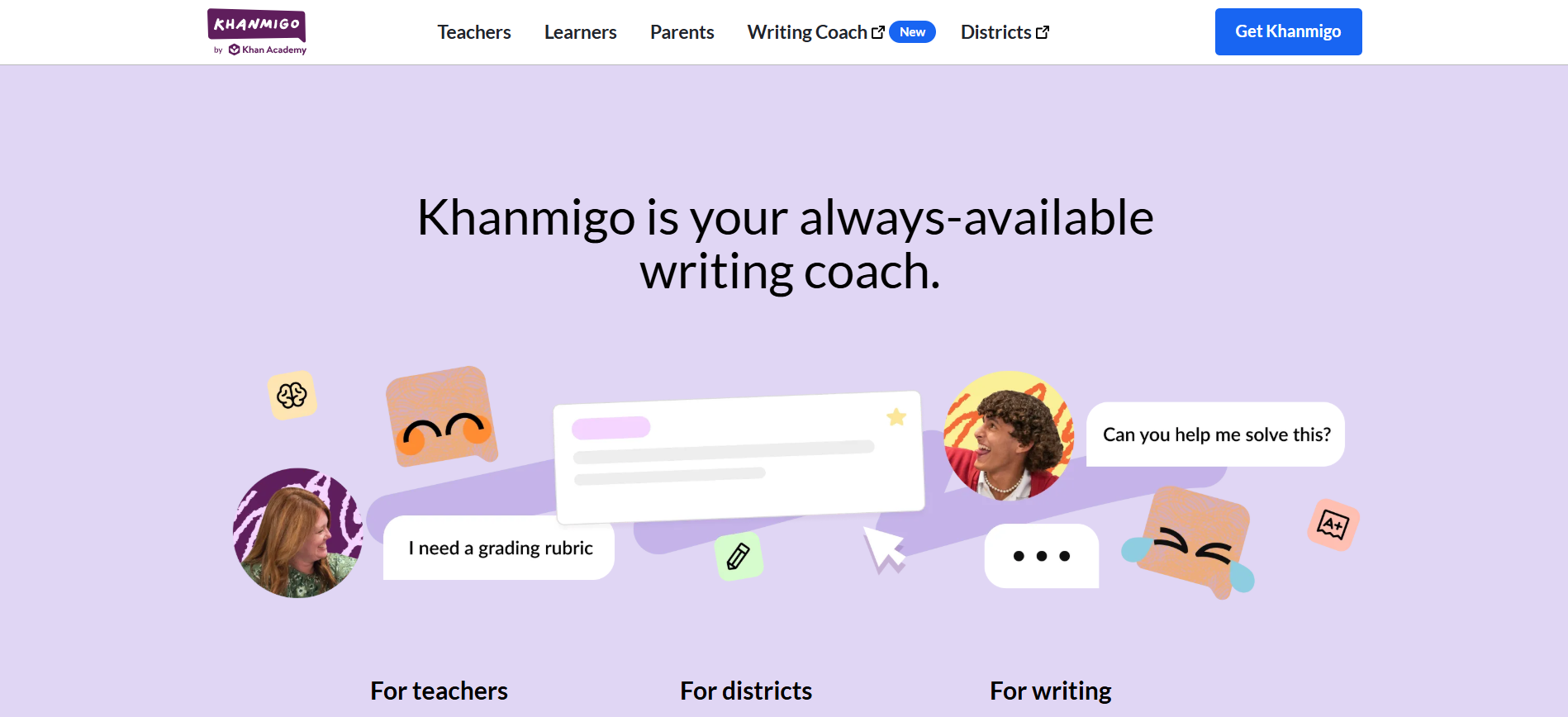
Khan Academy offers a very different approach from StudyBlaze and most AI study tools. Instead of working directly from your assignments, it provides structured lessons and practice problems designed to teach concepts step by step.
While Khan Academy does not ingest personal notes or lectures, it excels at building foundational understanding in math, science, economics, and standardized test prep. Many students use it when they feel behind or need to rebuild confidence in a subject.
As a result, Khan Academy is often paired with AI study platforms that manage class-specific content.
Best for: Learning fundamentals and strengthening conceptual understanding.
6. YouLearn and Other Conversational AI Study Apps
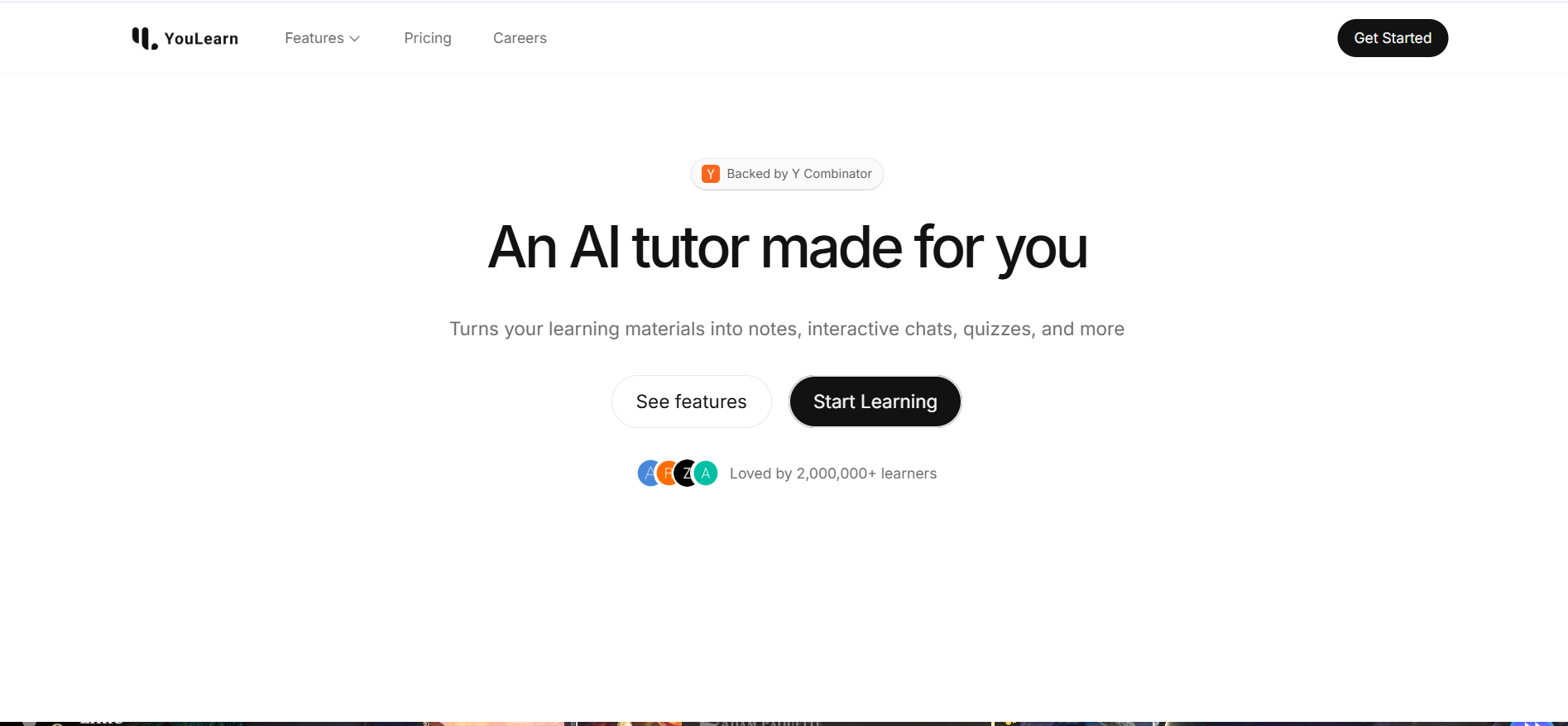
A number of newer AI study apps take a conversational approach similar to StudyBlaze. Tools like YouLearn allow students to upload notes and interact with AI through questions and explanations.
These platforms can be helpful for reviewing material in a low-friction way, but they often lack advanced organization, robust quiz generation, and strong support for long lectures or videos. Their effectiveness depends heavily on how well the original notes are prepared.
For lighter coursework, these StudyBlaze alternatives may be sufficient. For exam-heavy programs, they tend to fall short.
Best for: Conversational study sessions with minimal setup.
7. When StudyBlaze Is Still a Good Fit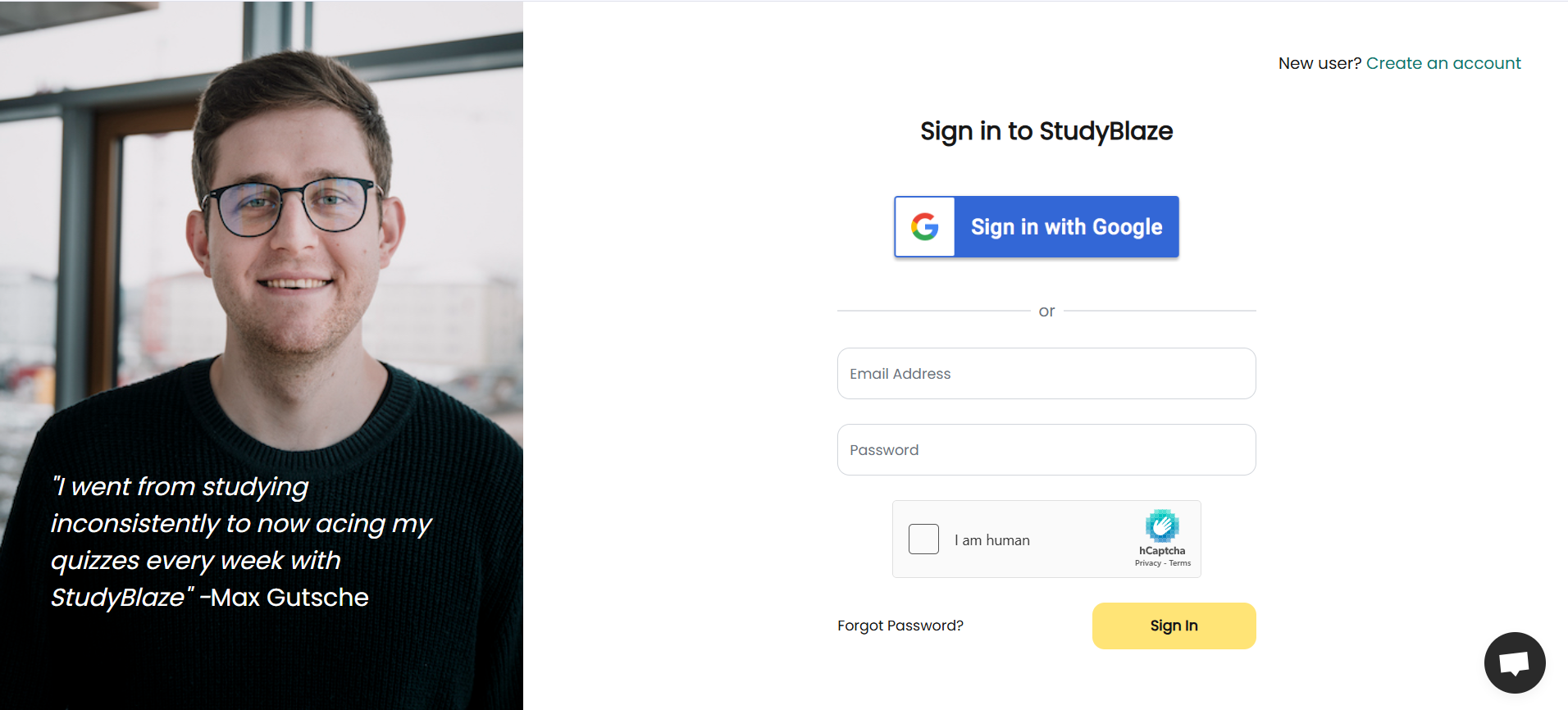
StudyBlaze can still make sense for certain students. If you prefer learning through conversation and want guided explanations without building structured study materials, it can be a comfortable option. Its interface is approachable and its AI responses can help clarify confusing topics.
However, as material accumulates over a semester, many students find that conversation alone is not enough. Without organized notes, review tools, and active recall features, it becomes harder to retain information and prepare for exams.
This is why StudyBlaze is often used alongside more comprehensive AI study tools rather than as a standalone solution.
Best for: Interactive explanations and short, guided study sessions.
Final Takeaway
StudyBlaze can be a useful tool for students who enjoy guided, conversational explanations from an AI tutor. Its chat-based interface and interactive responses make it approachable, especially for short study sessions or quick concept checks. However, when evaluating the best StudyBlaze alternatives in 2026, it becomes clear that most students will benefit from combining StudyBlaze with other AI study tools or replacing it entirely with a platform that offers broader learning support.
If your priority is structured learning and retention, Mindgrasp stands out as the strongest StudyBlaze alternative. It goes beyond brief explanations by turning your real course materials into organized notes, automated quizzes, and flashcards, all tied together with a context-aware AI tutor. Mindgrasp is ideal for students preparing for cumulative finals or intensive coursework that demands more than conversational understanding.
For learners focused on memorization and repetition, Quizlet remains a solid complement to study systems. It does not replace comprehensive study tools, but it excels at flashcards, spaced practice, and quick recall drills that strengthen memory for key terms and definitions.
When your need is step-by-step homework help, Chegg can fill in gaps that another study tool might miss. It provides detailed worked examples that are helpful for problem-based courses, especially in STEM subjects. Used alongside a broader AI learning platform, Chegg helps ensure you grasp both the reasoning and the methodology behind answers.
For moments when you want instant visual clarification, Socratic by Google offers quick, image-based help that can resolve confusion in real time. While it does not replace long-term study tools, Socratic works well as a supportive aid for immediate problem-solving.
If you need foundational concept building, Khan Academy offers structured lessons and practice sequences that reinforce fundamentals. It pairs effectively with AI study apps that manage your own course files, offering depth where conversation alone falls short.
And for students who prefer simple conversational study without complex organization, other AI study apps such as YouLearn can still be useful. These tools provide low-friction interaction but typically lack the advanced content handling required for exam preparedness.
In summary, the right StudyBlaze alternative depends on your learning needs:
- Choose Mindgrasp if you want a complete study system that supports understanding, retention, and exam readiness.
- Use Quizlet for intensive memorization practice.
- Add Chegg when you need detailed worked solutions.
- Turn to Socratic for visual, on-the-spot help.
- Use Khan Academy for foundational learning.
- Try YouLearn or similar tools for conversational study without heavy structure.
Together, these StudyBlaze alternatives give you a more balanced, effective approach to learning — helping you do more than understand one topic at a time, and instead build lasting knowledge across your courses.