7 Thea Study Alternatives You'll Love in 2026
By Mindgrasp|Mindgrasp blog|January 7, 2026
AI study tools are reshaping how students prepare for classes, tests, and professional exams in 2026. One tool that has attracted attention is Thea, available at theastudy.com. Thea positions itself as a research-backed study assistant that blends adaptive practice, spaced repetition, and targeted review. Students can upload notes, practice with tailored quizzes, and get bite-sized review sessions aimed at improving retention.
For many learners, Thea’s strength is its focus on study science. It emphasizes active recall, spaced practice, and short, targeted review sessions that are intended to produce reliable long-term memory gains. That makes it attractive for students who want a clean, research aligned way to review without building study content from scratch.
Still, no single app fits every student. Some learners want better ways to organize their notes. They also want to handle multimedia content more easily.
They seek richer tutoring that fits their context. Additionally, they want automated study materials made from lectures, slides, and PDFs. That is why students are searching for Thea alternatives.
This guide covers the best alternatives to Thea in 2026. Each option is chosen for a particular strength - from full course conversion into study workflows to intense memorization tools and visual problem solvers. Read on to find the right AI study app for your workflow.
1. Mindgrasp — The Best Thea Alternative Overall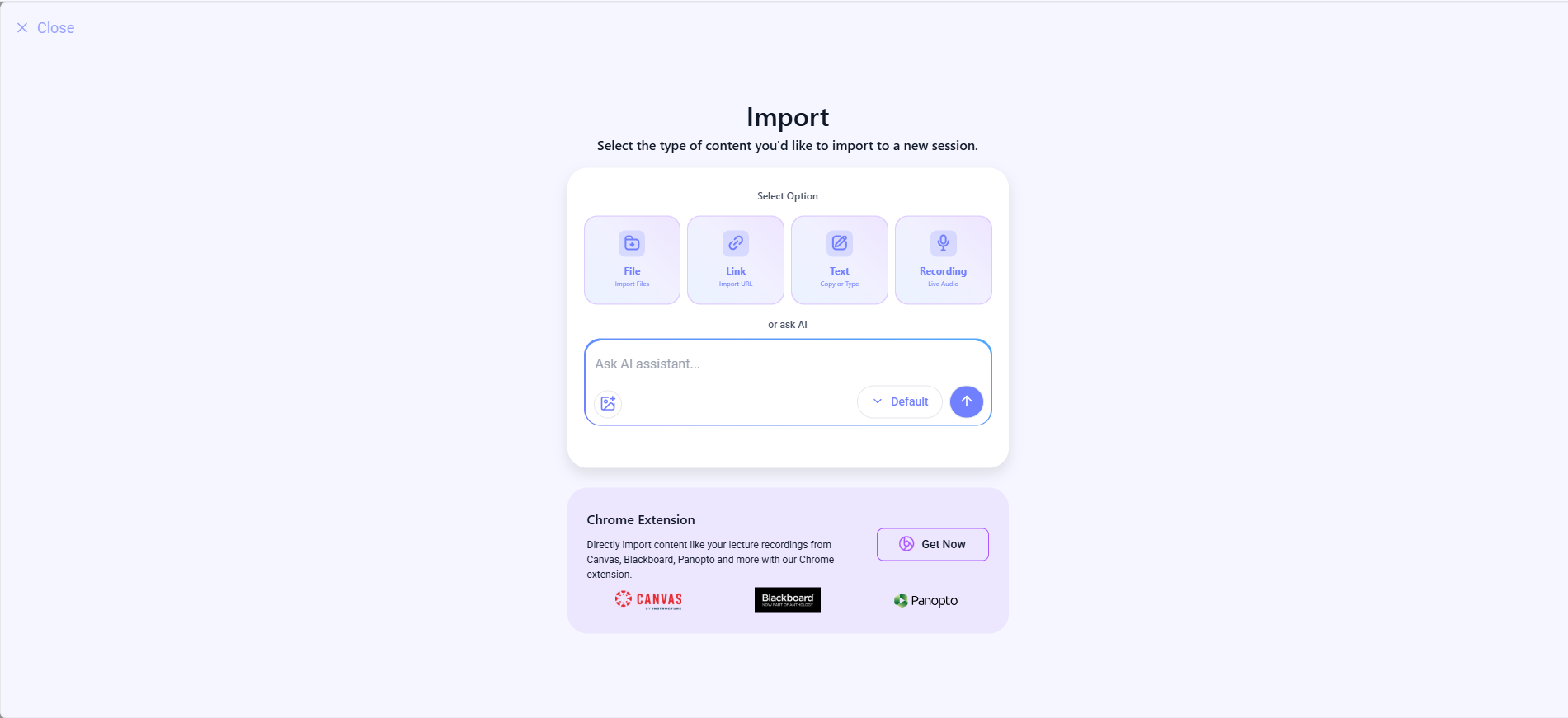
Mindgrasp is the best alternative to Thea. It is designed as a complete learning platform, not just a study kit. While Thea shines at adaptive practice and spaced repetition, Mindgrasp focuses on converting your actual course content into a coherent, reusable study system.
Here is how Mindgrasp stands out:
- Multimodal ingestion: Upload PDFs, PowerPoint slides, Word documents, lecture audio, or YouTube videos. Mindgrasp ingests everything and maps content into structured sections that mirror how your instructor presents material. This means notes are not generic outlines. They follow your course logic.
- Exam-ready notes: Instead of short summaries, Mindgrasp produces reviewable notes that are indexed, searchable, and linked back to original pages or timestamps. You can quickly jump from a flashcard to the paragraph or slide where the idea appeared.
- Automated active recall: From the same materials Mindgrasp auto-generates quizzes and flashcards. Questions are drawn from your uploaded content so you practice exactly what matters most for exams. Spaced review schedules help you retain it.
- Contextual AI tutoring: Ask follow up questions and get answers grounded in your notes. Because the AI references your actual course materials, explanations match your syllabus and professor, not a generic textbook.
- Long term workflows: Mindgrasp is built for semester-long use. Track which concepts are weak, schedule targeted reviews, and see progress across modules and courses.
Why choose Mindgrasp over Thea? If you want to move beyond efficient review and actually build a study library tied to your classes, Mindgrasp gives you the tools to convert raw lectures and documents into practice that scales. For cumulative finals, technical subjects, and courses where context matters, Mindgrasp is the most complete option.
Best for: Students who want a single AI study platform that turns lectures, slides, PDFs, and videos into organized notes, targeted quizzes, flashcards, and a contextual tutor tied to their course content.
2. Quizlet — Memorization and Spaced Practice Powerhouse
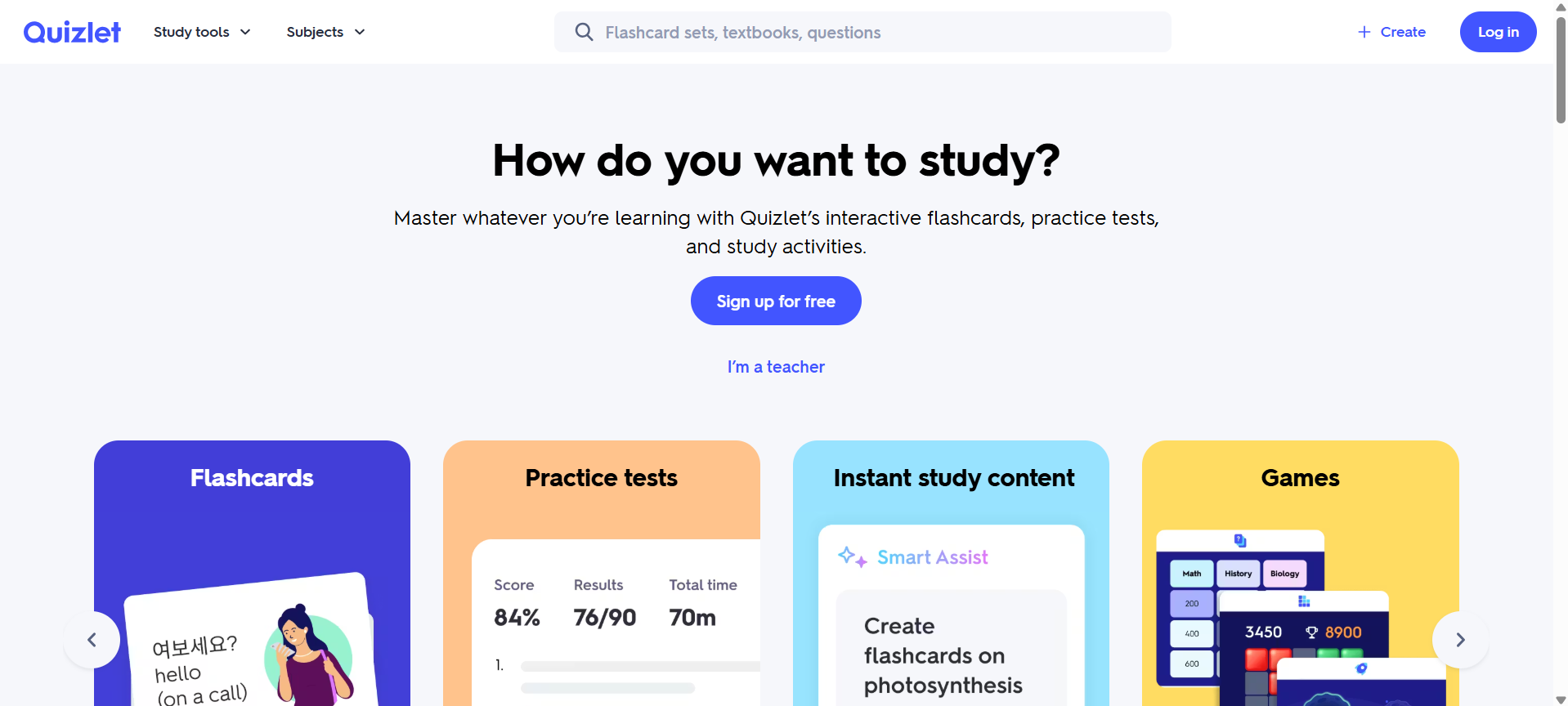
Quizlet is the familiar flashcard and learning game platform that millions of students use to lock down facts. It is not intended to replace a course management or note system, but for memorization it remains exceptionally effective.
What Quizlet offers:
- Simple card creation and import: Build flashcards manually or import lists. It is easy to create sets quickly and share them with classmates.
- Adaptive practice modes: Learn mode, Match games, and practice tests adjust repetition based on your performance.
- Community content: Find public sets for common textbooks and courses, which speeds setup.
- Offline and mobile friendly: Review on phones during transit.
Where Quizlet differs from Thea: Thea focuses on adaptive study kits created from your materials, while Quizlet focuses solely on repetition for memory. If your course requires memorization of terms, dates, or formulas, Quizlet is a great complement to any study stack.
Best for: Heavy memorization needs like languages, anatomy, formulas, or standardized test vocabulary.
3. Chegg — Detailed Homework Help and Worked Examples
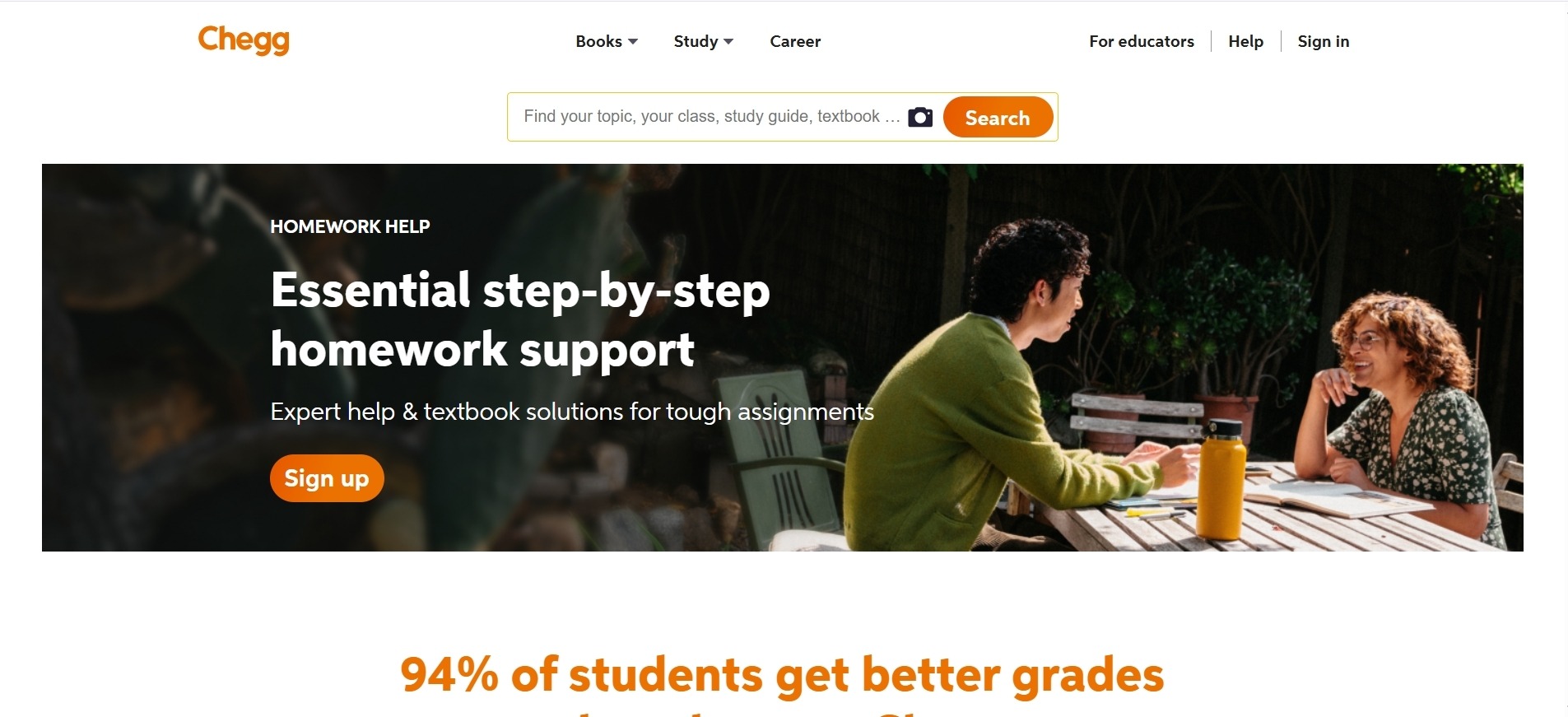
Chegg is the go-to when you need step-by-step help on homework problems. Students use it to see worked solutions, access textbook answers, and review problem solving techniques.
Key Chegg strengths:
- Textbook solution library: A huge catalog of worked examples that match common textbooks.
- Step-by-step breakdowns: Good for learning the process behind an answer in subjects like physics, calculus, organic chemistry, and engineering.
- Homework help features: Q&A with tutors and solution explanations.
How Chegg compares to Thea: Thea is optimized for spaced practice and adaptive review. Chegg is optimized for understanding how to get the answer. For students who need method mastery and worked examples alongside practice schedules, Chegg is a helpful tool to pair with a study platform.
Best for: Understanding how to solve homework problems and learning stepwise methods in STEM courses.
4. Socratic by Google — Instant Visual Problem Solving
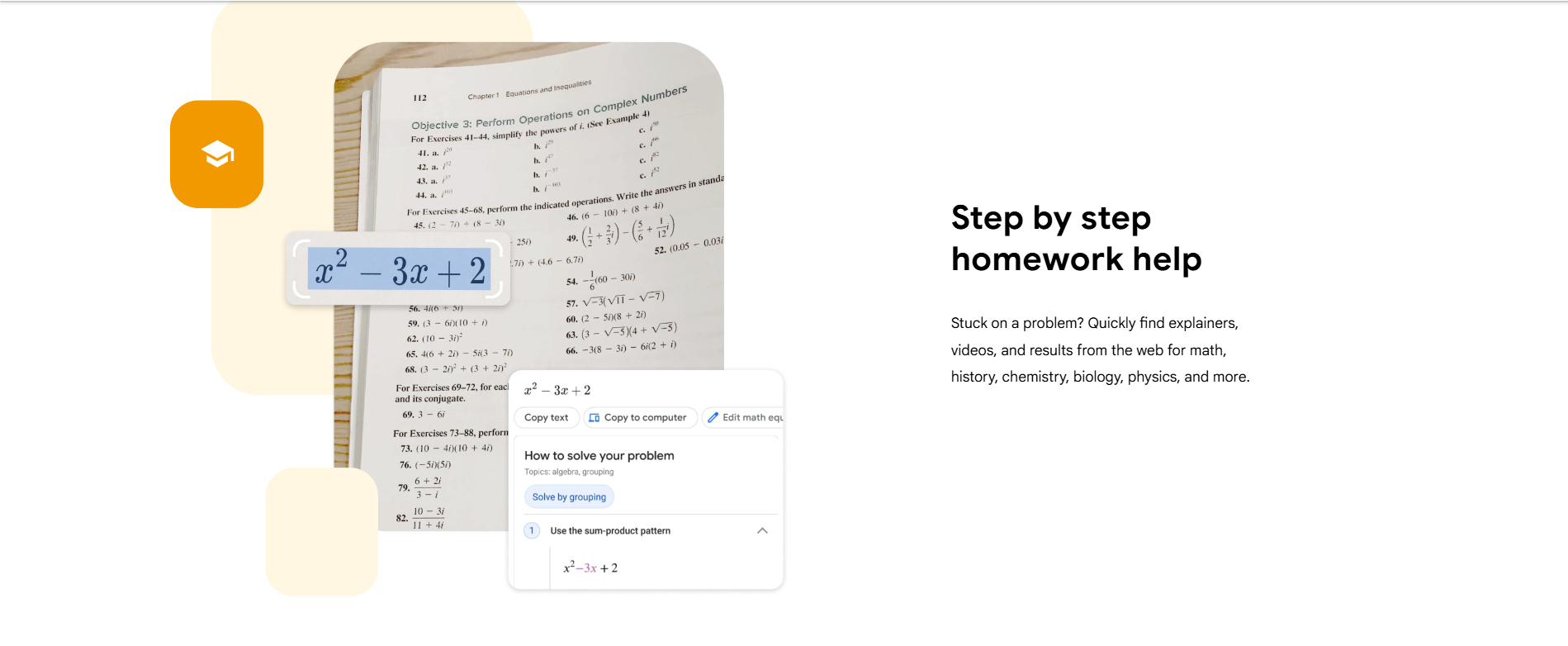
Socratic is built for instant clarity. Snap a photo of a math problem, chemical structure, or diagram and get quick explanations and relevant resources.
Why students use Socratic:
- Photo to explanation: Capture handwritten or printed problems and receive step guidance.
- Speed and convenience: Great for last-minute confusion while working through problem sets.
- Helpful for conceptual stickiness: Visual explanations and linkouts to lessons make stubborn points click.
Limitations vs Thea: Socratic does not manage long term study plans or generate flashcards from entire lecture series. It is excellent in the moment and pairs well with spaced repetition and note systems.
Best for: On-the-spot problem solving and quick clarification of equations, diagrams, and visual questions.
5. Khan Academy — Curriculum Style Concept Mastery
Khan Academy remains a strong choice for students who need to rebuild or deepen foundational understanding. It is curriculum driven and rich in guided lessons and practice.
What it offers:
- Structured courses: Lessons that progress from basic to advanced with built-in practice.
- Mastery system: Students practice until they reach concept mastery.
- High quality instructional videos: Useful when an alternate explanation helps the concept click.
Where it fits vs Thea: Thea offers adaptive review built from your materials. Khan Academy offers systematic instruction. Use Khan Academy when you need a guided path through fundamentals before applying adaptive review tools.
Best for: Students who need to learn or relearn foundational concepts with clear, stepwise instruction.
6. YouLearn and Other Conversational AI Study Apps
Chat-style study apps like YouLearn offer a friendly, low friction way to ask questions and get explanations. They feel like talking to a study partner.
Their appeal:
- Conversational interface: Easy to ask follow-ups and iterate on explanations.
- Quick summarization: Handy for clarifying single topics or preparing short review notes.
- Low setup: Minimal material upload required.
Drawbacks vs Thea: Conversational apps can be shallow when it comes to organizing entire courses or creating exam ready materials. They are great for rapid clarification and lightweight review but are best used alongside a structured tool.
Best for: Quick Q&A style review and chat based clarification.
7. When Thea Still Makes Sense
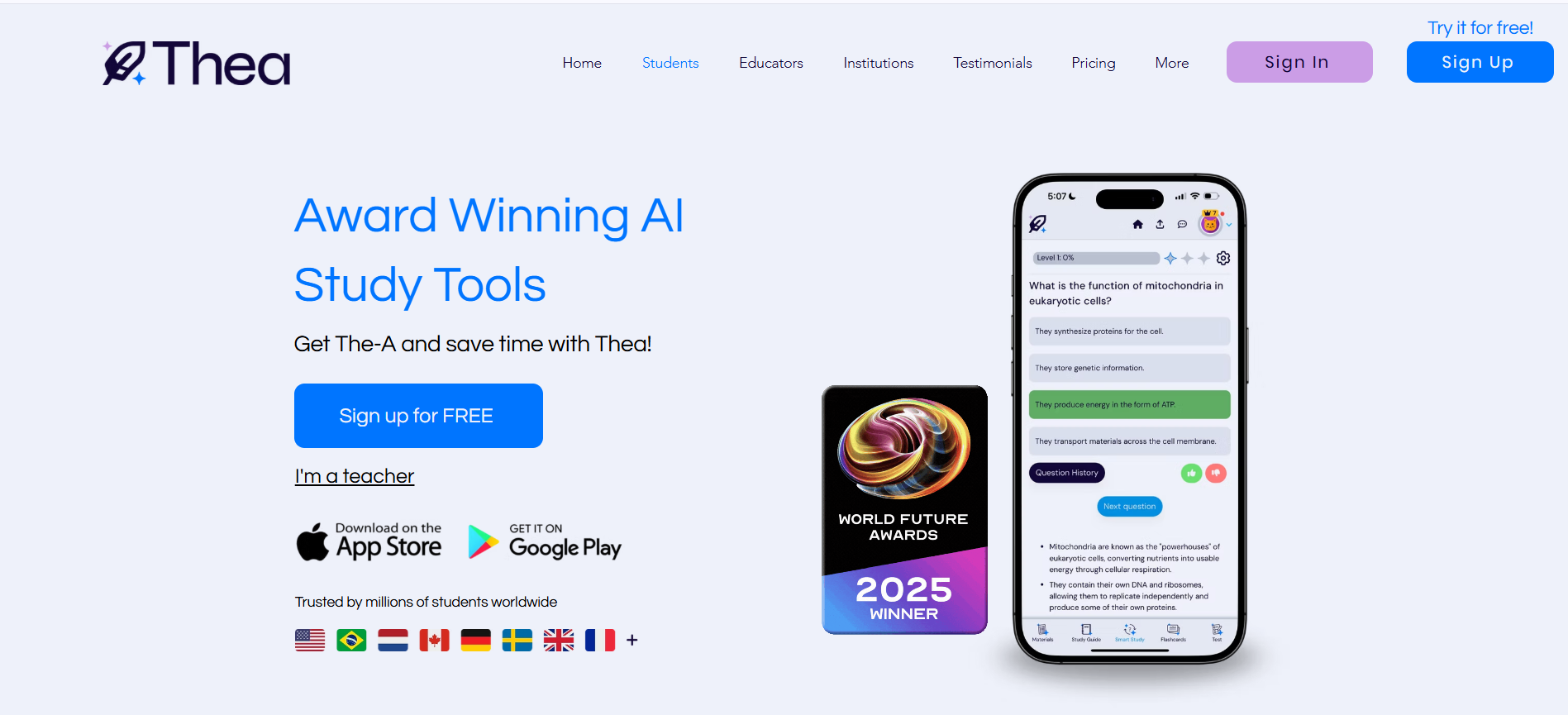 Thea (theastudy.com) is a strong choice for students who want an evidence based, adaptive review system without manual flashcard creation. Its focus on spaced repetition and active recall makes it a practical option for consistent review and boosting retention.
Why you might keep using Thea:
- Simplicity: Clean interface and research backed study rhythms.
- Adaptive review: Smart scheduling to target weak points.
- Engagement: Short sessions designed to fit into busy schedules.
When to combine Thea with other tools: If your coursework includes a lot of multimedia, professor specific emphasis, or requires long form note linking, combining Thea with a content conversion tool like Mindgrasp will give you both precise practice and deep understanding.
Best for: Students who want an evidence based, lightweight study rhythm for regular review.
Final Takeaway — Why Mindgrasp Leads the Pack Among Thea Alternatives
Choosing the right TheaStudy.com alternative comes down to how you study, how much content you manage, and how much support you want from AI. While Thea is excellent for adaptive review, spaced repetition, and research-backed practice, many students find themselves needing a more complete, semester-long study system that can handle lectures, PDFs, slides, and videos all in one place. This is where Mindgrasp truly shines.
Mindgrasp is the most comprehensive alternative because it turns your raw course materials into a structured, actionable study workflow. Unlike Thea, which focuses primarily on adaptive practice, Mindgrasp creates organized notes, automated quizzes, and flashcards directly from your uploaded content.
Its AI tutor can answer follow-up questions in the context of your materials, ensuring you not only memorize, but deeply understand concepts. The platform supports long-term retention, cumulative exam preparation, and high-volume coursework, making it ideal for students who need more than short daily practice sessions.
The other alternatives still play important roles:
- Quizlet strengthens memorization through active recall and spaced repetition, complementing Mindgrasp’s structured content.
- Chegg helps when you need detailed step-by-step solutions for homework and problem-solving.
- Socratic by Google is excellent for instant visual clarification on tricky questions.
- Khan Academy provides foundational instruction for students who need to rebuild or solidify concepts.
- YouLearn-style conversational apps work for quick, interactive clarifications, though they lack the depth and structured review of Mindgrasp.
For students seeking a complete study ecosystem, Mindgrasp serves as the central hub, while other tools can supplement memorization, problem-solving, or concept review. Using Mindgrasp as the core of your workflow allows you to ingest lectures, notes, and multimedia materials once and turn them into a fully actionable study system.
You can then layer Thea for adaptive practice, Quizlet for heavy memorization, Chegg for step-by-step problem-solving, and Socratic or Khan Academy for spot checks and concept reinforcement.
In essence, Mindgrasp transforms studying from a reactive, piecemeal process into a cohesive, intelligent workflow. It makes sure you are not just finishing review tasks. You are also understanding, remembering, and using knowledge in all your courses.
For students who want the best results from their study time, Mindgrasp is the top Thea alternative in 2026. It offers structure, context, and active learning all in one platform.