
Top 7 TurboLearn Alternatives for Smarter Studying
If you’re searching for TurboLearn alternatives, you’re probably not just casually browsing. You want an AI study tool that actually helps you understand material, remember what you learn, and do better on exams—without wasting your time or confusing you more.
AI study tools have blown up in popularity, but not all of them deliver the same experience. Tools like TurboLearn aim to automate parts of your study process. Still, many students quickly realize that summaries alone can’t replace real understanding. Accuracy, flexibility, and real learning feedback matter way more than flashy features.
This guide breaks down the best alternatives to TurboLearn. It explains why students look for other options and helps you choose the right AI study tool based on how you actually learn.
What Is TurboLearn?
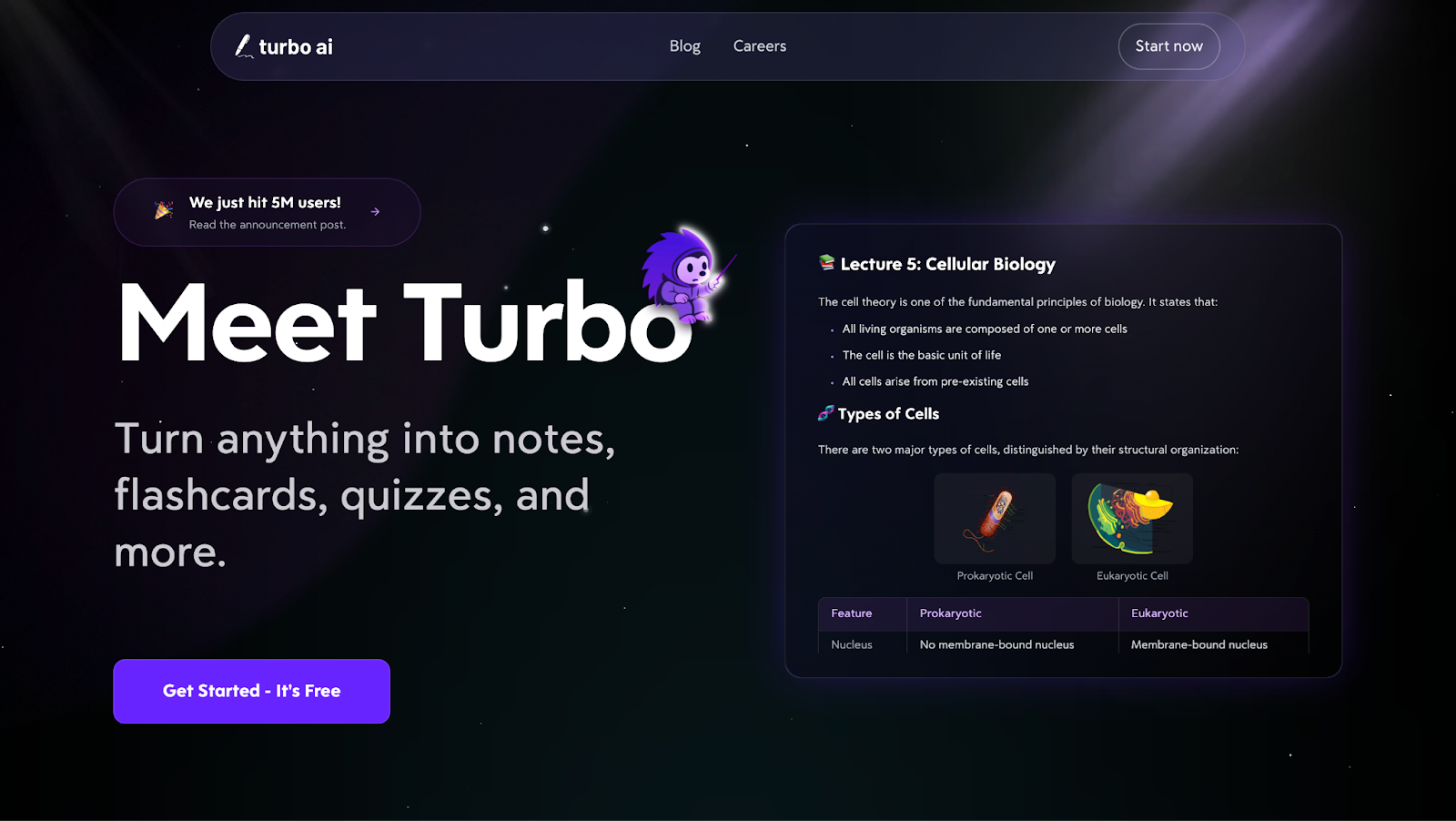
TurboLearn is an AI learning assistant designed to help students turn lectures, documents, and study materials into organized notes and summaries. The idea is simple: upload your material and get structured content instantly to speed up studying.
As AI tools become more advanced, though, students are becoming more selective. Many find that TurboLearn works fine for basic note generation but falls short when deeper comprehension, adaptive practice tools, and accurate explanations are needed—especially for complex or technical topics.
Why Students Look for TurboLearn Alternatives
Students usually start searching for TurboLearn alternatives for a few common reasons:
- Surface-level output: Simple summaries that don’t go deep
- Weak practice tools: Limited quizzes and active recall features
- Lack of feedback: Little insight into why answers are right or wrong
- Accuracy concerns: Especially with dense lecture notes
- Limited formats: Not great with videos, links, or full academic workflows
When you’re juggling exams, heavy reading loads, and fast lectures, these gaps can make studying harder instead of easier.
Best TurboLearn Alternatives for Smarter Learning
Below are the top alternatives students compare when deciding on a better AI study tool.
1. Mindgrasp
Best overall alternative for accuracy, speed, and real understanding
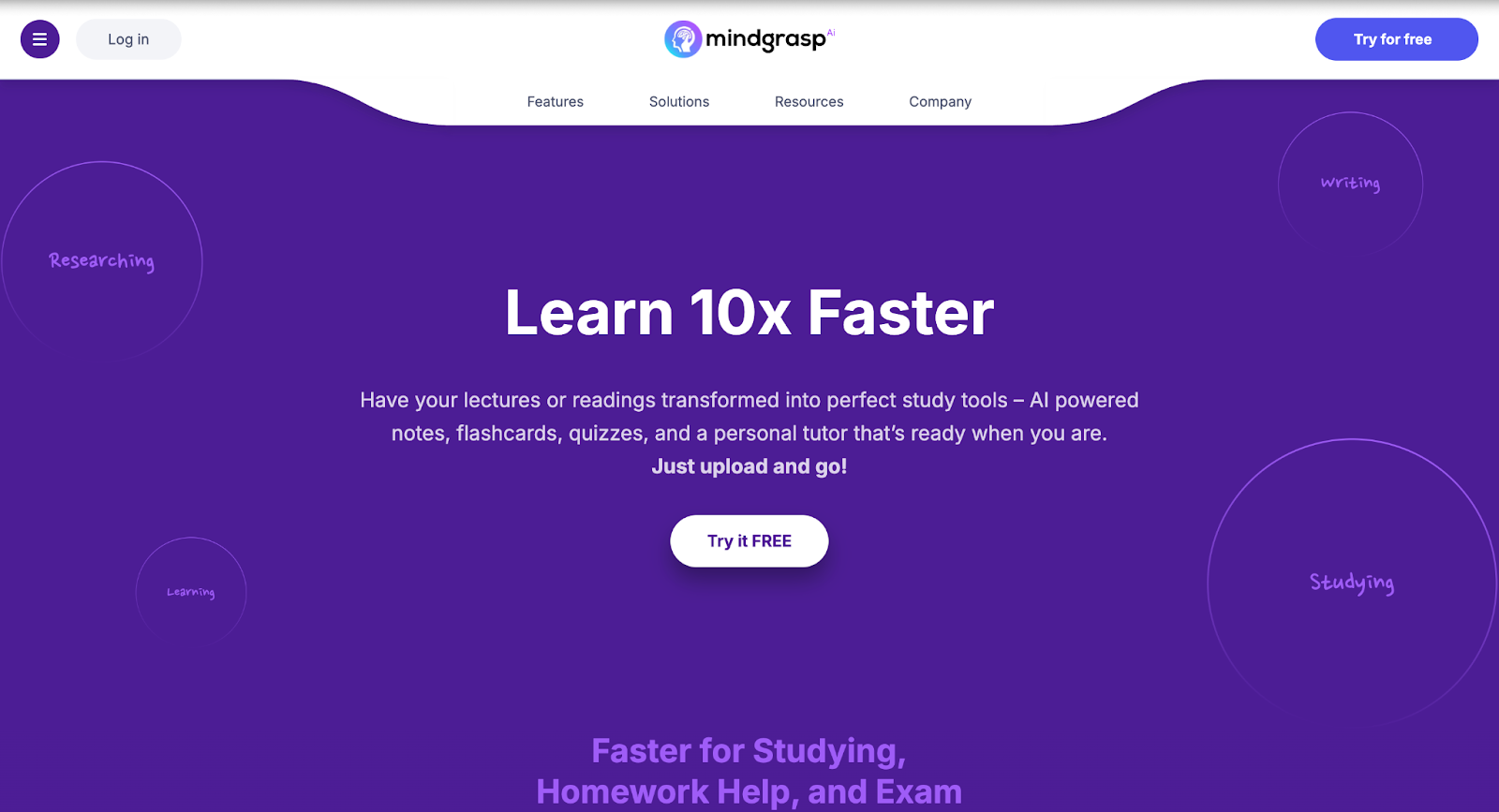
Mindgrasp is usually the first platform students switch to after TurboLearn. Instead of just creating notes, Mindgrasp focuses on helping you actually understand your material—so you remember it longer and perform better on tests.
Why Mindgrasp Stands Out
- Converts videos, lectures, PDFs, articles, and links into structured study materials
- Generates accurate summaries, flashcards, quizzes, and Q&A
- Built for real academic workflows, including lecture-heavy classes
- Excels on complex and technical subjects
- Integrates with Canvas, Blackboard, and Panopto
- Focuses on retention and comprehension, not just surface summaries
Students consistently report that Mindgrasp saves time and gives them study materials they can actually trust.
Best for:
College and high school students, dense readings, exams, and lecture-based courses.
2. Studyfetch
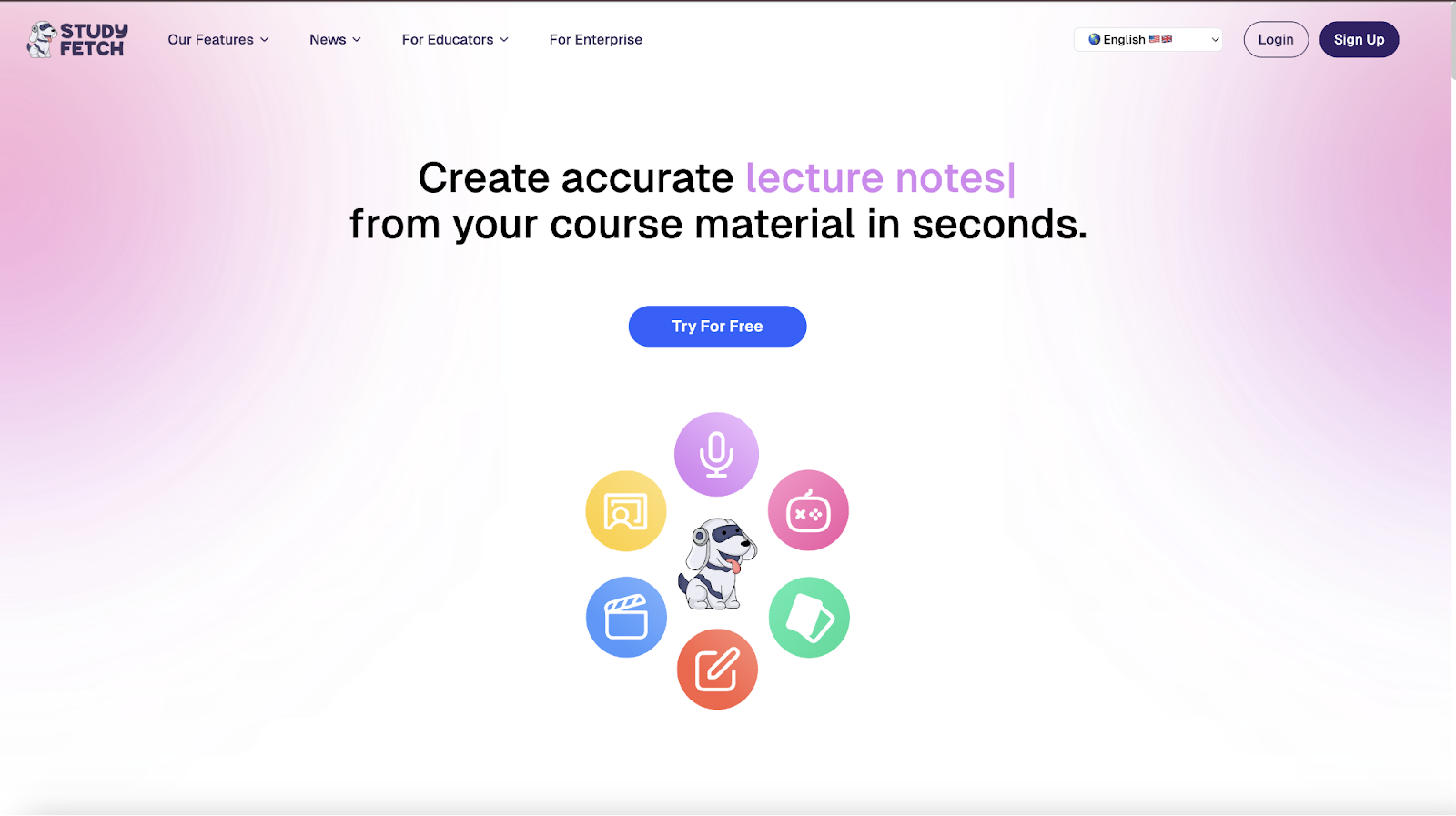
Studyfetch is an AI study companion that helps you generate summaries, flashcards, and quizzes from your notes and uploaded materials. It’s designed to simplify studying by turning big chunks of information into bite-sized content.
However, students often find that Studyfetch focuses more on surface-level summaries and less on deep understanding, adaptive practice, or context-aware feedback. That makes it good for quick review but not always ideal for complex academic material.
Features of Studyfetch
- Generates summaries from text and uploads
- Creates flashcards and basic quizzes
- Simple user interface
- Supports note uploads from multiple formats
- Aims to speed up review sessions
Benefits of Using Studyfetch
- Helps break down large documents quickly
- Useful when you need fast overview notes
- Simple and easy to use
- Good for quick refreshers before exams
Best for:
Students who want straightforward summarization and flashcards without more advanced study workflows.
3. Raena AI
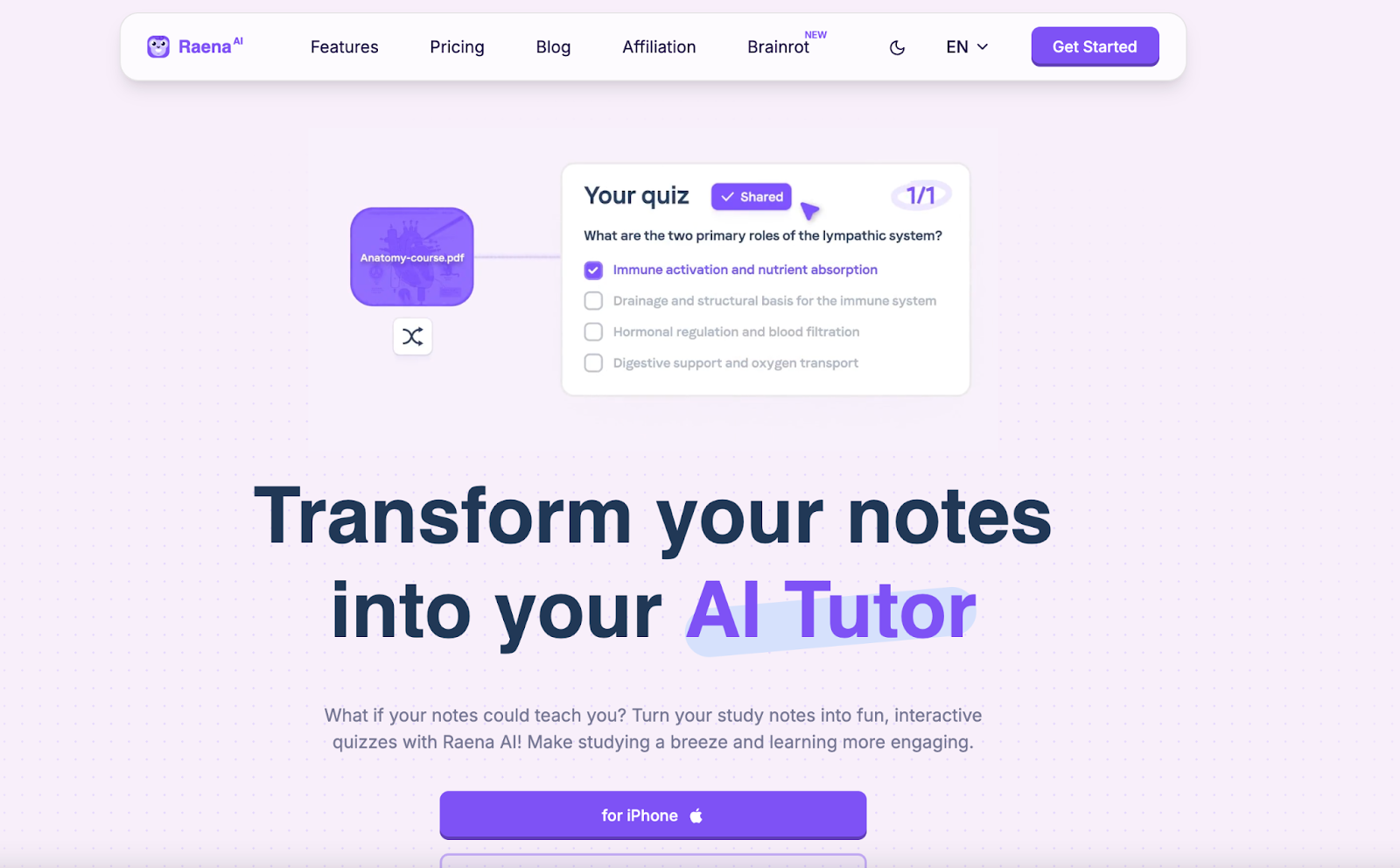
Raena AI is a study tool focused on improving memory retention and engagement through interactive quizzes and review materials. It transforms your notes into active recall exercises and bite-sized learning chunks.
Unlike more comprehensive platforms, Raena AI emphasizes study habits and knowledge reinforcement over full note automation and multi-format support. That makes it a strong choice if you want more active practice built into your study routine.
Features of Raena AI
- Converts notes into interactive quizzes
- Generates concise review sheets
- Personalized study suggestions
- Supports document uploads
- Designed to boost engagement with study materials
Benefits of Using Raena AI
- Encourages active learning through practice questions
- Helps with long-term retention
- Makes review feel less boring
- Good for reinforcing key concepts
Best for:
Students who want a quiz-centered study experience with active recall built in.
4. Atlas
Atlas is an AI study assistant that focuses on organizing and linking concepts into meaningful structures. Instead of just summarizing, Atlas helps you see how ideas relate, making it easier to prepare for tests and write papers.
While it’s great at big-picture understanding and concept mapping, Atlas may lack some of the automated workflow features (like built-in flashcards or adaptive testing) found in other tools. It shines where conceptual connections and insight are key.
Features of Atlas
- Concept mapping and idea linking
- Summarizes key ideas into organized formats
- Visual layout of relationships between concepts
- Supports structured note creation
- Encourages thematic thinking over rote recall
Benefits of Using Atlas
- Helps you understand how ideas connect
- Ideal for essay prep and conceptual courses
- Makes complex topics feel more organized
- Encourages deeper comprehension
Best for:
Students who think visually and want help building frameworks for complex ideas.
5. CocoNote
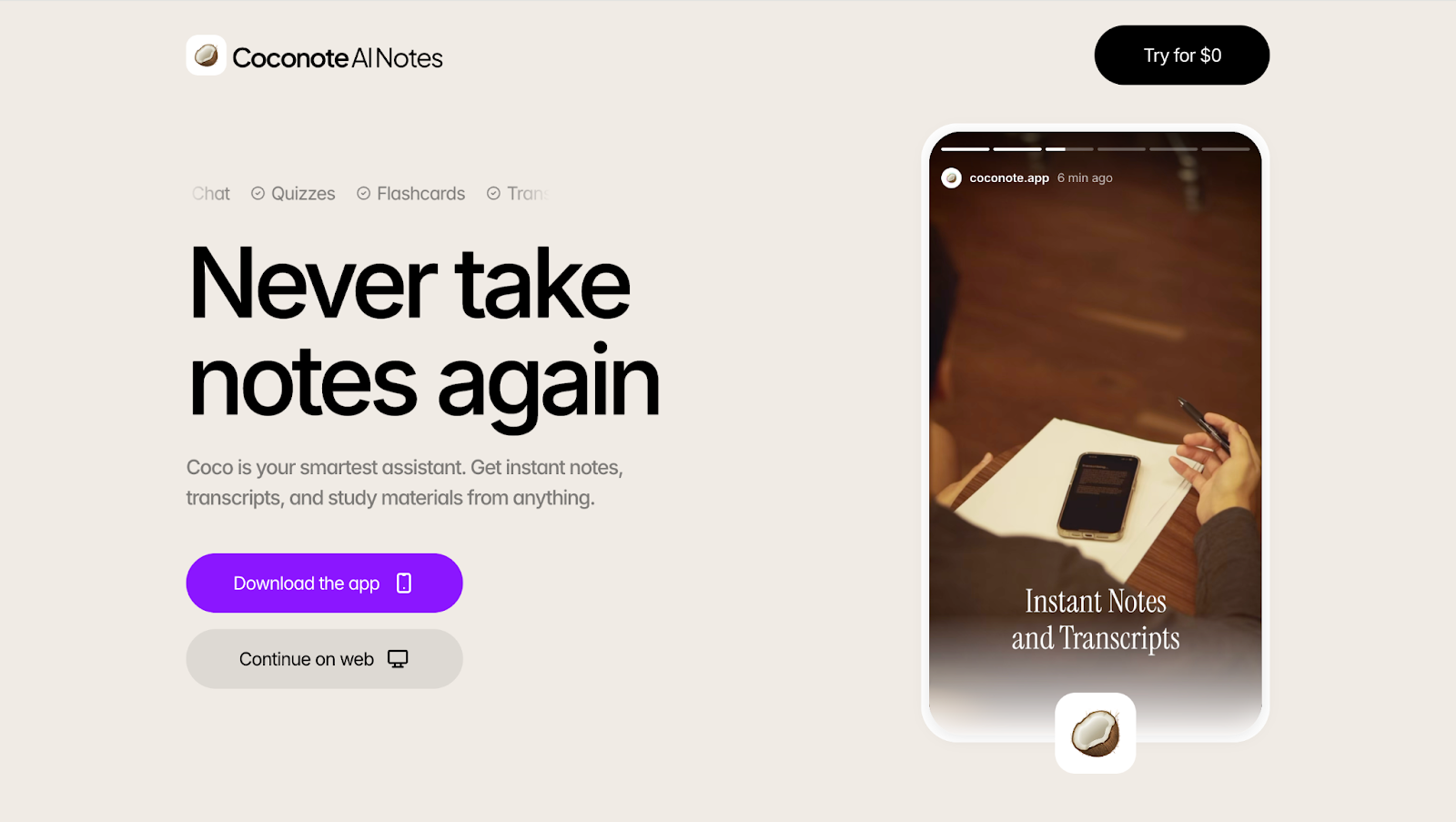
CocoNote is an AI note-taking and summarization tool that turns study materials into organized notes and brief overviews. It’s designed to speed up note creation so you spend less time writing and more time reviewing.
However, many students find that CocoNote’s output is mainly text summaries without strong supplementary tools like quizzes, flashcards, or deeper concept explanation. That can make it less effective for active learning and exam prep.
Features of CocoNote
- AI-generated organized notes
- Automatic summaries from uploads
- Simple, text-focused interface
- Supports multiple file types
- Aims to save time on note creation
Benefits of Using CocoNote
- Speeds up the note-making process
- Useful for basic recap and review
- Keeps notes tidy and structured
- Easy for quick reference
Best for:
Students who want fast, clean notes but don’t need advanced study tools.
6. Quizlet
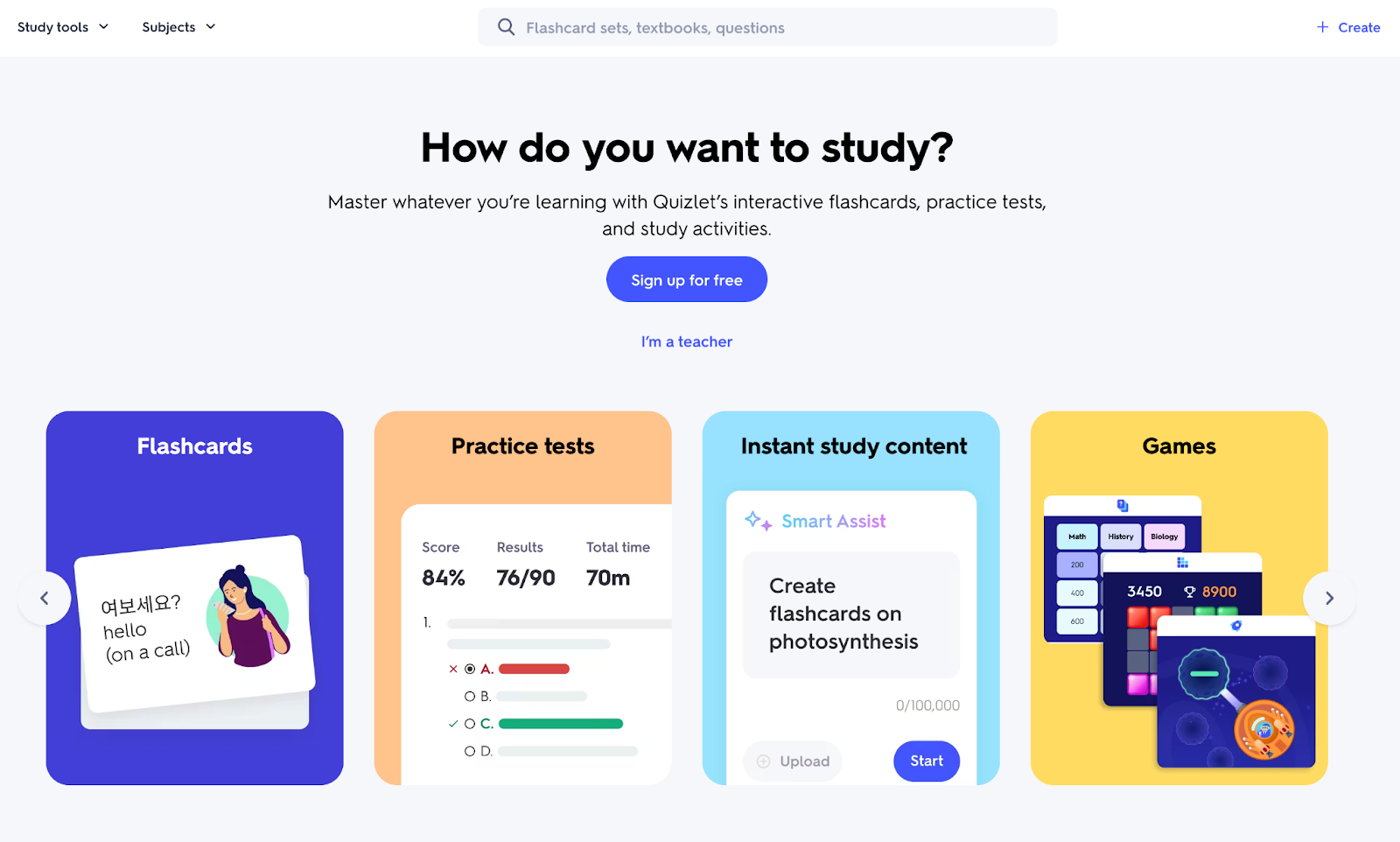
Quizlet is one of the most well-known digital study platforms centered on flashcards and practice tests. It lets students create their own flashcards or use community-shared decks for almost any subject.
Quizlet doesn’t generate deep AI summaries from diverse formats like videos or PDFs, but its repetition-based tools are great for memorizing definitions and facts.
Features of Quizlet
- Customizable digital flashcards
- Practice tests and self-assessment modes
- Spaced repetition reinforcement
- Large library of community decks
- Mobile and web access
Benefits of Using Quizlet
- Excellent for memorization and repetition
- Easy to use with a familiar interface
- Large repository of existing study sets
- Supports study on the go
Best for:
Students who need repetition and flashcard-style review rather than deep AI-generated study workflows.
7. TLDL
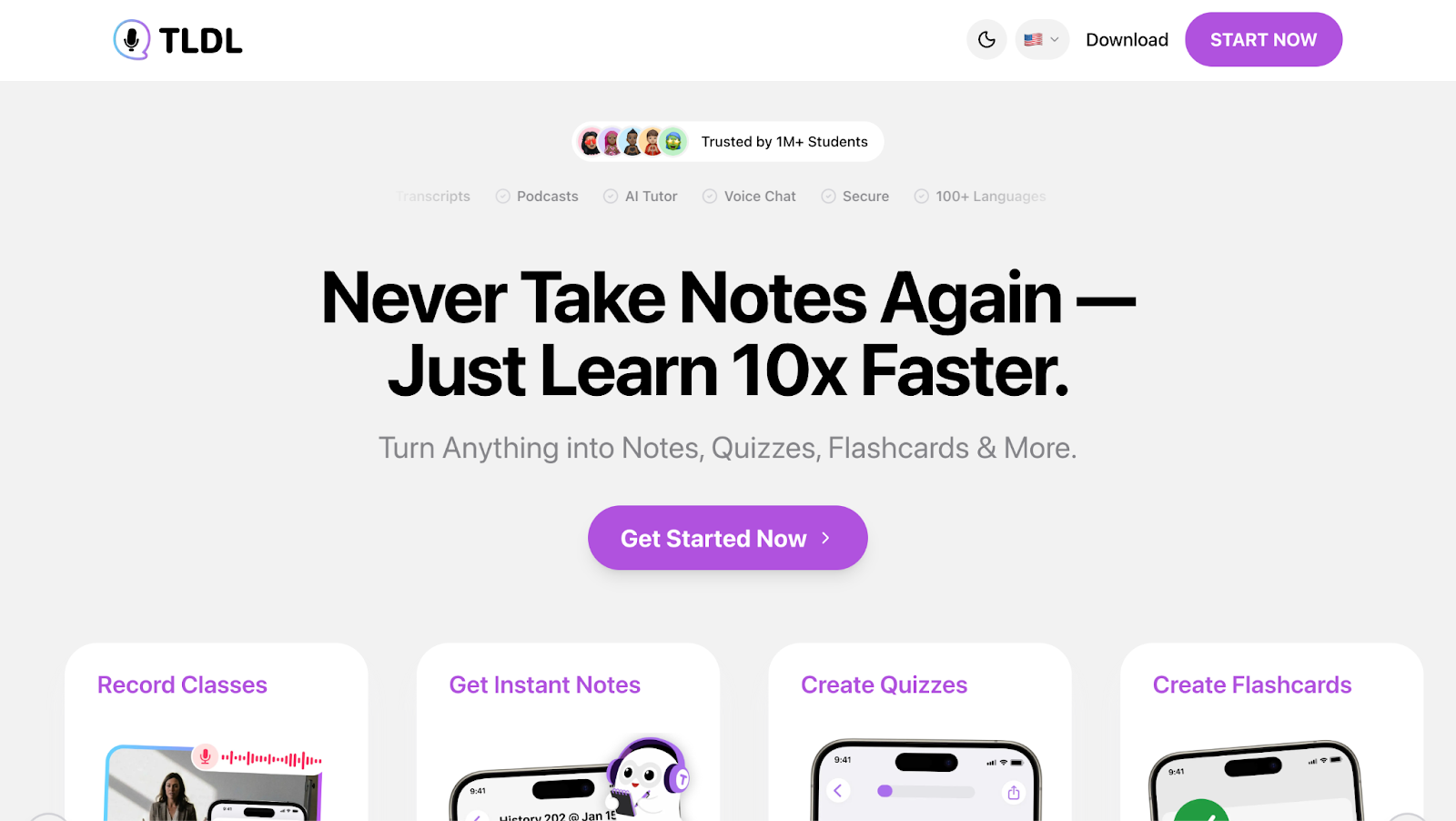
TLDL is an AI tool that summarizes long videos and audio content into short, digestible notes. It’s especially useful for turning long YouTube lectures or recorded class sessions into structured summaries quickly.
Unlike full study platforms, TL;DL focuses on video and audio summarization — so it’s great for lecture content but doesn’t provide in-depth quizzes or multi-format study workflows on its own.
Features of TLDL
- Summarizes long videos into concise notes
- Works with YouTube and uploaded lecture recordings
- Highlights key points and timestamps
- Simple and quick output
- Designed for audio/video learning support
Benefits of Using TLDL
- Saves time on reviewing long video content
- Helps capture lecture highlights efficiently
- Great for auditory learners
- Makes long recordings easier to digest
Best for:
Students who rely heavily on video lectures and want quick, accurate highlights without manual note-taking.
Looking for a TurboLearn alternative? Try Mindgrasp now.
How Mindgrasp Is the Best TurboLearn Alternative
Mindgrasp gives students a powerful all-in-one way to study smarter, not harder. If you want more than basic notes, Mindgrasp delivers. It turns lectures, PDFs, videos, and links into clear notes, flashcards, quizzes, and instant answers in seconds.
A great AI study tool should save you time, reduce stress, and help the material actually stick. Mindgrasp does exactly that. It adapts to your learning style, highlights weak areas, and helps you understand concepts instead of just memorizing them.
To sum it up, our pick for the best TurboLearn alternative is Mindgrasp. It works with almost any type of class material and helps you learn faster, study with confidence, and feel prepared for exams.